

Knee Pain While Climbing Stairs
Understanding Knee Pain While Climbing Stairs: Causes and Relief
Many people find that their first sign of a joint problem isn’t a constant ache, but a sharp sting when taking the first step up a flight of stairs. Knee pain while climbing stairs can turn a simple trip to the second floor or a walk in a public park into a daunting task. For those living in busy urban areas like Ahmedabad, where navigating multi-story buildings and bustling markets is part of daily life, this discomfort can quickly limit your independence and productivity at work.
When your knee hurts during elevation, it often indicates that the joint is struggling to handle the increased pressure of your body weight. This issue doesn’t just affect your fitness; it impacts how you interact with your environment. You might find yourself searching for elevators, avoiding overhead bridges, or feeling hesitant to carry groceries.
Ignoring these early warning signs can lead to compensatory movements that eventually cause pain in your hips or lower back.
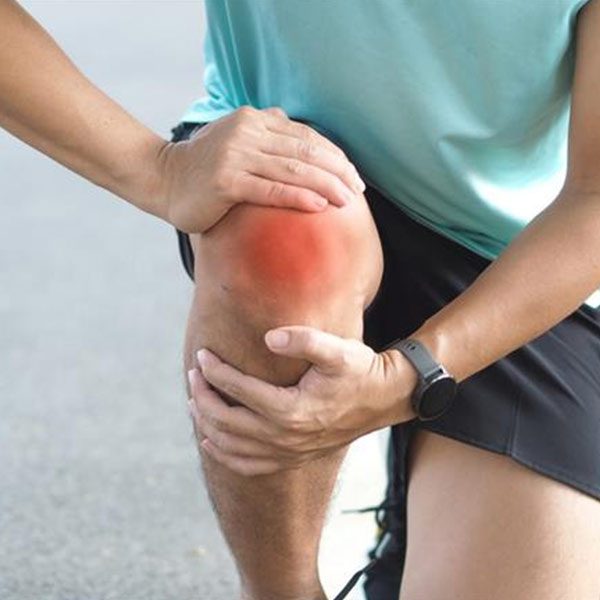
Common Causes of Knee Pain While Climbing Stairs
The knee is a complex hinge that bears significant load. When you climb, the pressure on your kneecap (patella) increases significantly. Common reasons for this discomfort include:
- Patellofemoral Pain Syndrome (Runner’s Knee): This occurs when the kneecap does not track properly in its groove, causing irritation.
- Osteoarthritis: The wearing down of protective cartilage, common in aging adults.
- Meniscus Tears: Damage to the C-shaped cartilage that acts as a cushion between your bones.
- Patellar Tendonitis: Inflammation of the tendon connecting the kneecap to the shinbone.
- Bursitis: Swelling of the small fluid-filled sacs that cushion the knee joint.
Who Is at Higher Risk of Stair-Related Knee Pain
Certain factors make it more likely for an individual to develop joint issues:
- Age: Natural wear and tear increases as we cross the age of 45.
- Weight: Carrying extra body weight puts exponential pressure on the knee joints during vertical movement.
- Previous Injuries: Old ligament or sports injuries can lead to early-onset joint issues.
- Occupation: People who climb ladders or stairs frequently for work (such as site engineers or delivery personnel).
How Doctors Diagnose the Reason for Knee Pain
To find the root cause, an orthopedic specialist will typically follow these steps:
- Physical Exam: Checking for range of motion, stability, and specific points of tenderness.
- X-rays: Used to see bone alignment and check for signs of narrowing joint space (arthritis).
- MRI Scan: Provides a detailed look at soft tissues like ligaments, tendons, and cartilage.
- Gait Analysis: Observing how you walk to see if your foot mechanics are affecting your knees.
Effective Treatment Options for Stair Knee Pain
Treatment usually begins with conservative methods before considering more intensive options:
- Non-Surgical: * I.C.E: Rest, Ice, Compression, and Elevation.
- Medication: Anti-inflammatory drugs to reduce swelling.
- Injections: Viscosupplementation or PRP (Platelet-Rich Plasma) to lubricate the joint.
- Surgical: * Arthroscopy: A minimally invasive “keyhole” surgery to “clean” the joint or repair minor tears.
- Knee Replacement: For advanced arthritis where the joint surface is completely worn out.
Comparison Table: Cause vs. Recommended Solution
Common Cause | Primary Symptom | Typical Recommended Solution |
Runner’s Knee | Pain behind the kneecap | Physical therapy & Footwear change |
Mild Arthritis | Stiffness & Dull ache | Weight management & Low-impact exercise |
Meniscus Tear | Sharp pain & Locking | Arthroscopy or Targeted rehab |
Ligament Strain | Instability/Wobbling | Knee bracing & Strengthening |
Simple Exercises to Strengthen Your Knees
Strong muscles act as shock absorbers for your joints. Try these simple movements:
- Straight Leg Raises: Lie on your back and lift one leg at a time to strengthen the quads without bending the knee.
- Wall Squats: Lean against a wall and slide down slightly to build endurance.
- Step-ups (Low Height): Use a very small step to practice controlled movement and balance.
- Hamstring Curls: While standing, lift your heel toward your glutes to balance leg strength.
Prevention Tips for Healthy and Pain-Free Knees
- Maintain a Healthy BMI: Even losing 2–3 kg can significantly reduce the load on your knees.
- Wear Supportive Shoes: Avoid flat sandals or high heels for long walks; use footwear with good arch support.
- Warm-Up: Always stretch your leg muscles before physical activity.
- Use the Handrail: Don’t be afraid to use support when climbing stairs to distribute your weight.
When You Should Consult an Orthopedic Specialist
If your pain persists for more than two weeks despite rest, it is time to seek professional help. In a city like Ahmedabad, where lifestyle changes and aging populations are seeing a rise in joint issues, early intervention is key. If you experience sudden swelling, an inability to straighten your leg, or pain that keeps you awake at night, consult a specialist immediately.
Expert Advice from Orthopedic Specialist
“Many patients wait until they can no longer walk to seek help. However, early diagnosis of knee pain while climbing stairs can often prevent the need for major surgery. By identifying cartilage wear or alignment issues early, we can use physiotherapy and lifestyle modifications to preserve your natural joint for decades.”