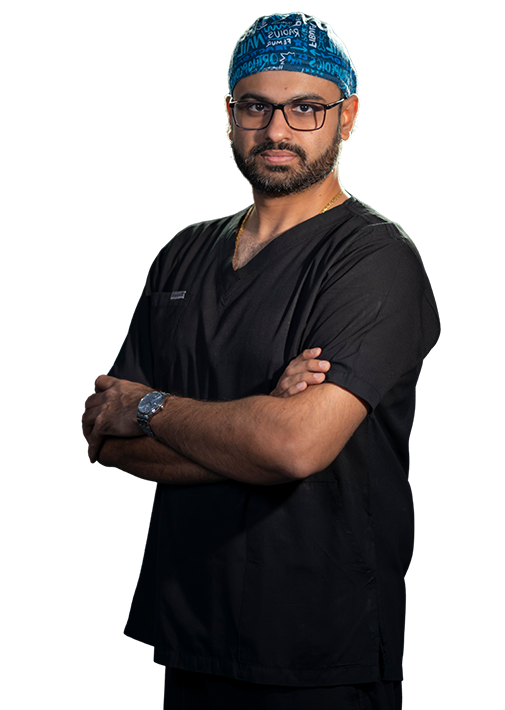

Shoulder Replacement Surgery in Ahmedabad: Expert Care from Dr. Mitul Patel
Best Shoulder Replacement Surgeon in Ahmedabad for Complete Pain Relief and Restored Mobility
Chronic shoulder pain, stiffness, and restricted arm movement significantly impact your quality of life—affecting work, sleep, sports, and everyday activities. If you’re searching for a shoulder replacement surgeon in Ahmedabad, Dr. Mitul Patel is a board-certified orthopedic specialist with 14+ years of expertise in advanced shoulder replacement surgery. Located conveniently in Paldi and Science City, He serves patients from Bopal, Thaltej, Satellite, and across Ahmedabad with modern surgical techniques and comprehensive rehabilitation support designed to restore your shoulder function and eliminate pain.
At Bone Plus Hospital, Dr. Mitul Patel specializes in total shoulder replacement, partial shoulder replacement, reverse shoulder replacement, and minimally invasive surgical approaches. His approach combines precise surgical technique with patient-centered care, ensuring you receive personalized treatment tailored to your condition and recovery goals. Whether you’re experiencing severe arthritis, rotator cuff damage, fractures, or failed previous surgery, He provides evidence-based solutions focused on restoring long-term shoulder mobility and strength.
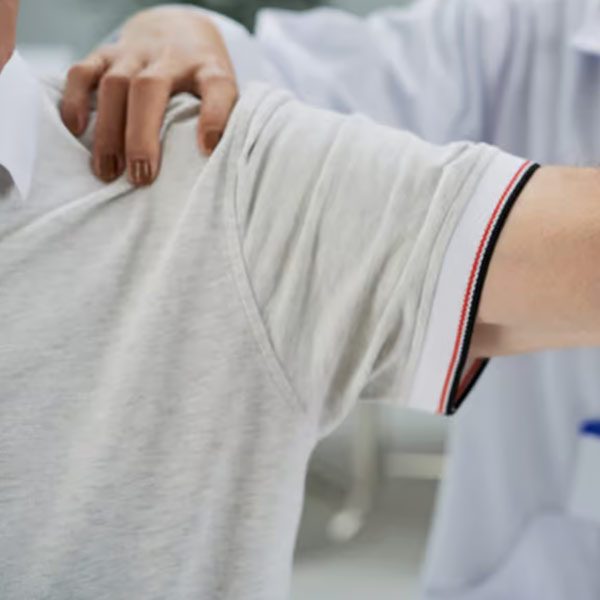
Dr. Mitul Patel’s Credentials:
- M.B.B.S., M.S. (Orthopedics) – Advanced orthopedic training
- 14+ years of orthopedic surgery experience
- International Fellowship: Joint Replacement, Lyon Knee Center, France
- International Fellowship: Trauma Surgery, AO Center, Germany
- Head of Unit, VS Hospital, Ahmedabad
- DNB Faculty Member in Orthopedics
Clinic Locations:
- Paldi: Bone Plus Hospital, 54b Brahmin Mitra Mandle, Paldi, Ahmedabad – 8:30 AM to 5:30 PM
- Science City: Bone Plus Hospital, City Square Complex, Science City, Sola, Ahmedabad – 6:00 PM to 8:00 PM
Why Choose Dr. Mitul Patel: Shoulder Replacement Surgeon in Paldi, Science City & Across Ahmedabad
Why Patients Choose Dr. Mitul Patel as Their Shoulder Replacement Surgeon
For Paldi Residents: Convenient location at Bone Plus Hospital, Paldi, with accessible parking and easy access from surrounding neighborhoods including Navrangpura, Ambawadi, and Ellis Bridge.
For Science City & Sola Patients: Second location at City Square Complex, opposite Science City Gate, serving patients from Science City, Bopal, Thaltej, Satellite, and western Ahmedabad areas.
Across All Ahmedabad Areas: Patients from every neighborhood—Paldi, Science City, Bopal, Satellite, Thaltej, Gota, South Bopal, Navrangpura, and beyond—regularly consult Dr. Mitul Patel for expert shoulder care and advanced surgical solutions.
Expert Credentials & Surgical Experience
Dr. Mitul Patel brings internationally recognized expertise to shoulder replacement surgery. His training from premier institutions—Lyon Knee Center in France and AO Trauma Center in Germany—ensures he employs world-class surgical techniques and best practices. As Head of Unit at VS Hospital and a DNB faculty member, He combines academic excellence with extensive clinical experience in shoulder reconstruction and complex orthopedic cases.
With 14+ years dedicated to orthopedic surgery, He has successfully treated hundreds of shoulder replacement patients, achieving high success rates and consistent patient satisfaction. His approach prioritizes:
- Precise Surgical Technique: Accurate implant placement ensures optimal joint alignment and long-term stability
- Minimally Invasive Approaches: Smaller incisions reduce tissue damage, post-operative pain, and recovery time
- Advanced Rehabilitation Planning: Structured physical therapy protocols restore strength, mobility, and function
- Patient-Centered Care: Transparent communication, detailed explanations, and personalized treatment planning
Understanding Shoulder Pain: Common Conditions Requiring Shoulder Replacement Surgery
When is Shoulder Replacement Necessary?
The shoulder is one of the most mobile joints in the body, allowing a wide range of arm movements. However, this mobility comes at a cost—the shoulder is prone to degenerative conditions, injuries, and chronic pain. Shoulder replacement surgery is recommended when conservative treatments no longer provide adequate relief.
Conditions Commonly Treated by Dr. Mitul Patel
Osteoarthritis of the Shoulder Wear and tear of shoulder cartilage causes progressive pain, stiffness, and reduced mobility. Unlike hip or knee arthritis, shoulder arthritis is less common but severely impacts arm function when present. Advanced osteoarthritis often requires shoulder replacement for pain relief and restored mobility.
Rheumatoid Arthritis Autoimmune inflammation damages shoulder cartilage and bone, causing severe pain and dysfunction. Shoulder replacement can halt disease progression and significantly improve joint function in RA patients.
Rotator Cuff Tear Arthropathy When rotator cuff muscles are severely damaged or non-functional, the humeral head (ball) rubs directly against the socket, causing arthritis-like pain and weakness. Reverse shoulder replacement is specifically designed for this condition.
Shoulder Fractures Complex shoulder fractures, particularly those involving the humeral head or neck, may be better treated with replacement rather than repair, especially in elderly patients or those with poor bone quality.
Avascular Necrosis (AVN) When blood supply to the humeral head is disrupted (from trauma, steroids, or other causes), bone tissue dies, causing collapse and severe pain. Early intervention with shoulder replacement can prevent permanent disability.
Failed Previous Shoulder Surgery Previous shoulder surgery that didn’t achieve intended results requires expert revision by experienced surgeons like Dr. Mitul Patel, who specializes in complex revision cases.
Severe Shoulder Instability Chronic shoulder dislocation or instability, particularly in athletes or active individuals, may eventually necessitate shoulder replacement when conservative management fails.
Symptoms Indicating You Need Shoulder Replacement Evaluation
If you experience any of these symptoms, schedule a consultation with Dr. Mitul Patel, a trusted shoulder replacement surgeon in Ahmedabad:
- Persistent shoulder pain that doesn’t improve with rest, medication, or injections
- Severe stiffness limiting arm movement and range of motion
- Difficulty lifting the arm even for light activities
- Pain while sleeping on the affected shoulder
- Grinding or clicking sensation in the shoulder joint (indicating cartilage damage)
- Weakness or loss of strength during arm movements
- Reduced mobility affecting work, sports, or daily activities
- Chronic pain lasting more than 3-6 months despite conservative treatment
- Visible deformity or abnormal shoulder position
- Instability sensations or feelings of the shoulder “slipping”
Early evaluation by Dr. Mitul Patel can determine if shoulder replacement is necessary or if other treatment options might be beneficial.
Shoulder Replacement Surgery: Types & Procedures Explained
- Total Shoulder Replacement (Total Shoulder Arthroplasty)
Total shoulder replacement is the most common procedure, suitable for patients with intact rotator cuff muscles.
What is Done:
- Diseased cartilage and bone are removed from both the ball (humeral head) and socket (glenoid)
- A metal ball (attached to a stem) is placed in the humerus
- A plastic socket (glenoid component) replaces the worn socket
- The joint functions with smooth, pain-free movement
Best For:
- Advanced osteoarthritis
- Rheumatoid arthritis
- Rotator cuff intact
- Post-traumatic arthritis
- Partial Shoulder Replacement (Hemiarthroplasty)
Only the humeral head (ball) is replaced; the socket remains intact.
What is Done:
- The damaged humeral head is removed
- A metal ball prosthetic is inserted
- The natural glenoid (socket) remains unchanged
- Suitable when socket is still healthy
Best For:
- Proximal humerus fractures
- Young patients with intact socket
- Cases where socket preservation is preferred
Advantage: Less bone removal; may be preferable in younger patients
- Reverse Shoulder Replacement
Specifically designed for rotator cuff tear arthropathy and severe rotator cuff damage.
What is Done:
- The ball and socket positions are reversed
- A metal ball is placed on the socket side (glenoid)
- A plastic socket is placed on the ball side (humerus)
- This repositioning allows deltoid muscle to compensate for non-functional rotator cuff
Best For:
- Severe or complete rotator cuff tears
- Rotator cuff tear arthropathy
- Failed previous shoulder surgery
- Loss of active shoulder elevation
Indication: When rotator cuff cannot be repaired, reverse replacement restores function by using different mechanics
Success Rate: 85-90% achieve functional improvement
Surgical Technique: Dr. Mitul Patel’s Approach
Dr. Mitul Patel employs modern surgical techniques prioritizing:
Accurate Implant Placement: Precise positioning ensures optimal biomechanics and long-term implant stability. He uses advanced imaging guidance and careful anatomical restoration.
Minimally Invasive Approaches: When appropriate, He utilizes smaller incisions (3-4 inches vs. 5-6 inches) that:
- Minimize muscle trauma
- Reduce post-operative pain
- Enable faster soft tissue healing
- Accelerate rehabilitation and return to activities
Soft Tissue Preservation: Careful surgical technique preserves rotator cuff muscles and stabilizing structures, crucial for long-term shoulder function.
Component Compatibility: He selects prosthetic components (ceramic, metal, or polyethylene) based on your age, activity level, and condition for optimal long-term durability.
The Shoulder Replacement Procedure: Step-by-Step
Pre-Operative Preparation (7-14 Days Before Surgery)
Medical Evaluation:
- Complete blood work and chemistry panel
- Coagulation studies (blood clotting assessment)
- Electrocardiogram (EKG) if over 40 or with cardiac history
- Chest X-ray
- Recent imaging review (X-rays, MRI, CT if available)
- Anesthesia consultation
Physical Preparation:
- Stop blood-thinning medications as directed
- Avoid smoking and alcohol
- Pre-operative exercises to strengthen shoulder
- Arrange post-operative support at home
- Prepare home for single-arm mobility (arrange items at accessible heights)
Psychological Preparation:
- Detailed discussion of procedure, risks, and benefits
- Realistic expectations about recovery timeline
- Questions addressed and answered
- Confidence-building conversations with surgical team
Day of Surgery
Anesthesia Administration:
- Regional (nerve block) anesthesia combined with general sedation
- Anesthesiologist monitors vital signs throughout procedure
- Typical anesthesia time: 1-2 hours
- Complete pain control during surgery
Surgical Incision & Joint Access:
- Small incision (3-4 inches) between shoulder muscles or deltoid
- Careful tissue dissection without cutting major muscles
- Exposure of damaged shoulder joint
Damaged Joint Removal:
- Diseased cartilage carefully removed
- Bone surfaces prepared for prosthetic components
- Assessment of soft tissue (rotator cuff) condition
- Preservation of healthy bone stock
Prosthetic Component Implantation:
- Glenoid (socket) component placed with precise alignment
- Humeral stem inserted into prepared bone
- Humeral head (ball) attached to stem
- Soft tissue repairs if needed
- Joint stability testing and range of motion assessment
Closure & Recovery:
- Surgical site carefully closed in layers
- Local anesthetic injection for post-operative pain management
- Sterile dressing applied
- Transfer to recovery room for monitoring
Recovery Timeline After Shoulder Replacement Surgery
Weeks 1-2: Initial Healing Phase
What to Expect:
- Significant soreness and swelling
- Limited arm mobility
- Pain control with prescribed medications
- Sling worn for protection
Activity Level:
- Bed rest with arm elevation
- Pendulum exercises only (supervised by therapist)
- Wrist and elbow gentle motion allowed
- No active shoulder movement
Goals:
- Pain control
- Swelling reduction
- Protection of surgical site
Weeks 3-6: Progressive Movement Phase
Physical Therapy:
- Begin active-assisted range of motion exercises
- Gradual increase in movement within pain tolerance
- Passive stretching to improve flexibility
- Protective sling use continues but for shorter periods
Activity Level:
- Increased time out of sling
- Light arm activities (eating, light grooming)
- No lifting or pushing
- Walking and light upper body movement
Timeline:
- Week 3-4: Begin gentle active motion exercises
- Week 5-6: Progress to more active assisted exercises
Weeks 7-12: Strengthening Phase
Physical Therapy Progression:
- Transition from passive to active motion
- Introduction of light resistance exercises
- Rotator cuff strengthening begins
- Progressive range of motion expansion
Activity Level:
- Discontinue sling (usually by 6-8 weeks)
- Resume light daily activities
- Driving (usually cleared by 6-8 weeks with doctor approval, if pain-controlled and not on narcotic medications)
- Light work activities
- Swimming (typically cleared at 8 weeks with waterproof dressing)
Goals:
- Regain shoulder strength
- Restore arm function
- Return to light activities
3-6 Months: Functional Recovery Phase
Physical Therapy:
- Continued strengthening exercises
- Sport-specific or activity-specific training
- Advanced range of motion exercises
- Power and endurance development
Activity Level:
- Return to most daily activities
- Light sports and recreational activities
- Low-impact exercises (walking, golf, swimming)
- Return to work (job-dependent, typically 8-12 weeks for desk jobs, 12-16 weeks for physical jobs)
Goals:
- Functional independence
- Return to hobbies and activities
- Maximum pain-free range of motion
3-6 Months: Functional Recovery Phase
Physical Therapy:
- Advanced strengthening programs
- Sport-specific training if desired
- Achievement of maximum functional improvement
- Transition to independent home exercise program
Activity Level:
- Return to recreational sports and activities
- Heavy lifting and pushing (typically cleared by 6 months)
- Full work duties
- Pre-injury activity levels
Timeline Variability: Recovery varies based on:
- Age and overall health
- Adherence to rehabilitation program
- Type of shoulder replacement performed
- Pre-operative shoulder condition
- Individual healing capacity
Success Rates & Long-Term Outcomes
What to Expect After Shoulder Replacement Surgery
Pain Relief:
- 90-95% of patients report significant or complete pain relief
- Remaining pain typically minimal and manageable with occasional medication
- Night pain usually resolves within 3-6 months
Mobility Restoration:
- Forward elevation (raising arm forward): Improved from limited to functional range
- Abduction (raising arm to side): 140-160 degrees typical after full recovery
- External rotation (rotating arm outward): 40-60 degrees typical
- Most daily activities performed without restriction
Functional Improvement:
- Return to sports and recreational activities (90% by 12 months)
- Work capacity restoration (95% return to full work duties)
- Sleep quality improvement (pain relief enables better sleep)
- Quality of life scores significantly improved
Long-Term Implant Survival Rates
- 10 years: 90-95% of implants remain functional
- 15 years: 85-90% of implants remain functional
- 20 years: 75-85% of implants remain functional
- 25 years: 70-80% of implants remain functional
Modern implants with improved designs and materials show even better long-term durability than historical data.
Factors Affecting Success
Surgeon Experience: Board-certified surgeons with extensive experience achieve superior outcomes. Dr. Mitul Patel’s 14+ years of experience directly correlates with high success rates.
Surgical Technique Precision: Accurate component positioning and sizing are critical for long-term stability and function.
Implant Quality: High-quality prosthetic materials (ceramic, premium metal alloys) enhance durability and biocompatibility.
Patient Compliance: Following post-operative guidelines, completing rehabilitation, and progressive return to activities significantly improve outcomes.
Overall Health: General good health, management of comorbidities (diabetes, hypertension), and healthy lifestyle support better healing.
Post-Operative Rehabilitation: Consistent physiotherapy and home exercises are essential for achieving maximum functional improvement.
Shoulder Replacement Surgery Cost in Ahmedabad
Understanding the Cost Breakdown
Detailed Cost Breakdown
Cost Component | Typical Range | Details |
Surgeon Fee | ₹75,000 – ₹1,50,000 | Depends on surgeon experience and credentials |
Hospital Charges (2-3 days) | ₹1,00,000 – ₹1,75,000 | Includes room, nursing, monitoring |
Anesthesia & Operating Theater | ₹40,000 – ₹75,000 | Use of OR, anesthesia administration, monitoring |
Prosthetic Implant | ₹60,000 – ₹1,20,000 | Depends on implant type/quality (ceramic, metal) |
Post-Operative Care & Dressing | ₹15,000 – ₹25,000 | Wound care, medications, post-op management |
Physiotherapy (Initial 2 weeks) | ₹20,000 – ₹30,000 | Hospital-based rehabilitation |
Medications & Lab Tests | ₹10,000 – ₹20,000 | Post-operative medications, lab work |
Factors Affecting Cost
- Type of Implant: Premium ceramic (higher cost) vs. standard polyethylene (lower cost)
- Surgeon Experience: Board-certified specialists with extensive experience may charge higher fees
- Hospital Infrastructure: Multi-specialty hospitals with advanced equipment cost more than basic facilities
- Complexity: Complex revision cases or difficult anatomy increases surgical time and cost
- Hospital Stay: Longer stays increase room and monitoring charges
- Additional Procedures: If rotator cuff repair or other procedures needed, cost increases
Cost Comparison: Ahmedabad vs. Other Cities
Location | Total Cost Range | Notes |
Ahmedabad | ₹2,86,500 – ₹5,16,000 | Most affordable in India |
Delhi | ₹3,34,250 – ₹5,73,000 | Slightly higher due to larger metro area |
Mumbai | ₹3,82,000 – ₹6,20,750 | Highest metro costs in India |
Bangalore | ₹3,34,250 – ₹5,73,000 | Comparable to Delhi |
USA | ₹33,42,500 – ₹57,30,000 | 10-12x more expensive than Ahmedabad |
UK | ₹3,85,50,000 – ₹5,14,00,000 | Among world’s most expensive |
Australia | ₹17,07,500 – ₹23,90,500 | Still 7-9x more costly than Ahmedabad |
Why Ahmedabad Offers Best Value: World-class surgeons trained internationally, modern hospital infrastructure, quality implants, and competitive pricing make Ahmedabad an excellent destination for shoulder replacement.
Insurance Coverage & Payment Options
Insurance Coverage: Most health insurance plans cover shoulder replacement surgery if:
- Deemed medically necessary (conservative treatment attempted first)
- Pre-authorization obtained from insurance provider
- Patient meets specific medical criteria for surgery
- Hospital is in network or approved by insurer
Average Coverage: 70-100% (depends on your plan)
Payment Options Available:
- Full Payment: Minor discount (3-5%) if paying upfront
- Insurance Billing: Direct billing to insurance company
- EMI/Installment Plans: 3-6 month interest-free plans through hospital financing
- Medical Loans: Available through partner banks (6-24 month terms)
- Combination: Insurance covers portion, patient pays balance through EMI
A Shoulder Replacement Surgeon You Can Trust
- International Training & Experience
- Fellowships from world-renowned centers (Lyon, France; Germany AO Center)
- 14+ years dedicated to orthopedic surgery
- Academic leadership position at VS Hospital
- DNB faculty teaching next generation of surgeons
- Advanced Surgical Expertise
- Total, partial, and reverse shoulder replacement
- Minimally invasive techniques for faster recovery
- Complex revision surgeries for failed previous attempts
- Rotator cuff damage management
- Fracture treatment expertise
- Patient-Centered Approach
- Detailed consultations explaining condition and treatment options
- Realistic expectations about surgery and recovery
- Transparent communication about risks and benefits
- Personalized treatment planning based on your needs
- Support throughout entire recovery journey
- High Success Rates
- 90-95% patient satisfaction with pain relief
- 90%+ return to desired activities
- Low complication rates with strict sterile protocols
- Excellent long-term implant durability
- Comprehensive Rehabilitation Support
- Structured physiotherapy protocols
- Clear post-operative guidelines
- Regular follow-up appointments
- Progressive return-to-activity programs
- Guidance on long-term shoulder health
- Modern Facilities
- State-of-the-art operating theaters
- Advanced diagnostic imaging (X-ray, MRI, CT)
- Comfortable hospital rooms with ICU monitoring
- Modern anesthesia equipment and safety protocols
- Pain management expertise
- Convenient Locations
- Paldi: Central location accessible from entire eastern Ahmedabad
- Science City (Sola): Serves western Ahmedabad, Bopal, Thaltej, Satellite
- Both locations: Modern facilities, easy parking, accessible via public and private transport
Frequently Asked Questions About Shoulder Replacement Surgery
When should I consult Dr. Mitul Patel about shoulder replacement surgery?
Consult Dr. Mitul Patel if you experience persistent shoulder pain, stiffness, or weakness despite:
- Rest and activity modification
- Physical therapy (4-6 weeks of consistent treatment)
- Medications (NSAIDs, anti-inflammatory injections)
- Corticosteroid injections
Early evaluation helps determine if surgery is needed or if other options might help.
What's the difference between total and reverse shoulder replacement?
Total Shoulder Replacement: Recommended when rotator cuff muscles are intact. Both ball and socket are replaced.
Reverse Shoulder Replacement: Designed for severe rotator cuff tears. The ball and socket positions are reversed, allowing the deltoid muscle to compensate for damaged rotator cuff.
Dr. Patel will recommend the best approach based on your specific condition.
How long does shoulder replacement surgery take?
The surgical procedure typically takes 1.5 to 2.5 hours, depending on:
- Complexity of your condition
- Type of replacement (total vs. reverse)
- Presence of arthritis in socket
- Quality of bone
- Rotator cuff status
What are the risks and complications?
Modern shoulder replacement is safe when performed by experienced surgeons. Rare complications include:
Infection (< 1%): Prevented by strict sterile protocols and prophylactic antibiotics
Blood Clots/DVT (< 1%): Minimized through early mobilization and leg exercises
Nerve/Blood Vessel Injury (< 1%): Careful surgical technique minimizes risk
Implant Loosening (1-3%): Rare with modern cementing techniques and press-fit designs
Dislocation (1-2%): Prevented through accurate component positioning and adherence to precautions
Instability (2-5%): Occurs when rotator cuff is severely damaged; reverse replacement prevents this
Stiffness (5-10%): Uncommon but requires aggressive physiotherapy if occurs
Superior Migration (< 1%): Humeral head moves upward; prevented with proper reverse shoulder technique
Your surgeon will discuss all risks during consultation and employ preventive measures.
Which Ahmedabad areas does Dr. Mitul Patel serve?
Dr. Patel welcomes patients from:
- Paldi & surrounding: Paldi, Navrangpura, Ambawadi, Ellis Bridge, Vastrapur
- Science City & western Ahmedabad: Science City, Sola, Bopal, Thaltej, Satellite, South Bopal, Gota
- All Ahmedabad: Patients from every neighborhood regularly consult Dr. Patel
Convenient Clinic Locations:
- Paldi branch for eastern Ahmedabad residents
- Science City branch for western Ahmedabad residents
How long does recovery take?
Recovery timeline varies but follows this general pattern:
- Weeks 1-2: Initial healing, pain control
- Weeks 3-6: Progressive movement, reduced sling use
- Weeks 7-12: Strengthening, return to light activities
- 3-6 months: Functional recovery, return to most activities
- 6-12 months: Full recovery, maximum improvement achieved
Most patients return to work by 8-12 weeks (desk jobs) and resume recreational activities by 3-6 months.
Will I be able to do sports and recreational activities?
Yes! Most patients return to desired activities including:
- Golf and tennis (3-6 months)
- Swimming and water aerobics (8+ weeks)
- Fitness training and weight-lifting (6+ months)
- Bowling and recreational sports (6+ months)
- Gardening and outdoor activities (6+ months)
Contact sports (football, rugby) and high-impact activities typically remain restricted to avoid implant damage.
How long do shoulder replacement implants last?
Modern shoulder replacements are very durable:
- 90-95% of implants function well at 10 years
- 85-90% at 15 years
- 75-85% at 20 years
Most patients never need revision surgery. Longevity depends on implant quality, surgical precision, patient age, and activity level.
Can I resume overhead activities after shoulder replacement?
Most overhead activities can be resumed by 6-12 months:
- Overhead pressing and reaching allowed (6+ months)
- Throwing sports limited (even at 1+ year)
- Painting and overhead work (6-12 months with progression)
Specific restrictions depend on implant type and rotator cuff status. Dr. Patel provides detailed guidelines during recovery.
What should I do at home before surgery?
Preparation:
- Arrange home setup: place frequently used items at waist/shoulder height
- Prepare for single-arm living (initially can’t use surgical arm effectively)
- Stock up on easy-to-prepare meals (avoid cooking for first 2 weeks)
- Arrange household help (cleaning, laundry, meal preparation)
- Clear pathways of obstacles
- Have comfortable chair/bed setup ready
Schedule Your Shoulder Replacement Consultation Today
Don't let chronic shoulder pain limit your activities and enjoyment of life. Dr. Mitul Patel provides expert evaluation, personalized treatment recommendations, and world-class surgical care to restore your shoulder function and eliminate pain.
Expert Shoulder Replacement Surgeon in Ahmedabad:
- Board-certified with 14+ years experience
- International training from leading centers
- High success rates and patient satisfaction
- Advanced surgical techniques and modern facilities
(8:30 AM to 5:30 PM)
(6:00 PM to 8:00 PM)