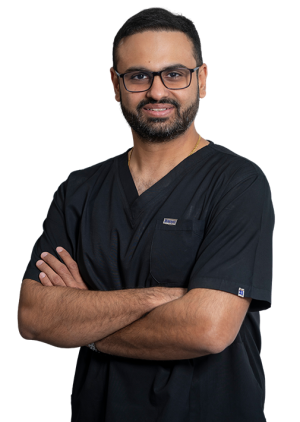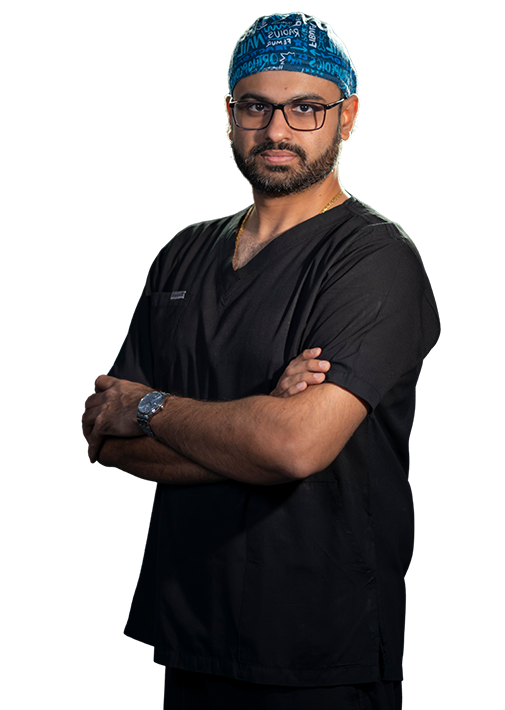

Knee Replacement Surgeon in Ahmedabad — Dr. Mitul Patel
Your knee is the largest joint in your body. Every time you stand up, walk, climb stairs, or simply shift your weight, your knee takes the load. When it starts failing — slowly, painfully, day by day — even the most ordinary moments become a struggle.
If you are reading this, you are probably past the point of painkillers and hot packs. You want real answers. How bad does it need to get before surgery becomes the right choice? Is the surgery safe? How long does recovery take? Will your knee ever feel normal again?
This page answers all of that — clearly, honestly, and in full detail — based on the clinical experience of Dr. Mitul D. Patel, a specialist knee replacement surgeon in Ahmedabad with over 14 years of surgical experience in knee, hip, and joint reconstruction.
Patients from Paldi, Science City, Bopal, Thaltej, Satellite, and across Gujarat visit Dr. Mitul Patel at Bone Plus Hospital for knee replacement consultations, total and partial knee surgery, and complex revision procedures.
What Is Knee Replacement Surgery?
Knee replacement surgery — also called knee arthroplasty — is a procedure in which the damaged surfaces of the knee joint are removed and replaced with artificial implants made of metal and high-grade plastic. The implant is designed to work exactly like your natural knee — allowing smooth, pain-free movement.
The surgery does not replace the entire knee. It replaces only the worn-out surfaces — the ends of the thigh bone (femur), the top of the shin bone (tibia), and sometimes the undersurface of the kneecap (patella). The surrounding muscles, tendons, and ligaments are kept intact.
Knee replacement is one of the most commonly performed and most thoroughly researched surgeries in the world. It has a success rate above 90% at 15 years and over 80% at 25 years, according to large international registry studies. For most patients, it means going from severe daily pain to walking, sleeping, and living normally again.
How Does a Damaged Knee Happen?
To understand why knee replacement is needed, it helps to understand what goes wrong inside the knee.
A healthy knee has a layer of smooth cartilage covering the ends of the bones. This cartilage acts like a shock absorber. It lets the bones glide against each other without friction.
When this cartilage wears down — due to arthritis, injury, or age — the bones start grinding against each other directly. That grinding causes intense pain, swelling, stiffness, and eventually deformity.
The most common causes of this damage include:
Osteoarthritis
The most common cause. The cartilage wears away gradually over years. It is most common in people above 55 years. By the time symptoms are severe, the cartilage may be almost completely gone.
Rheumatoid Arthritis
An autoimmune condition where the body's immune system attacks the joint lining, causing pain, swelling, and joint destruction over time.
Post-Traumatic Arthritis
Damage that develops years after a knee fracture or ligament injury. Even a well-healed injury can later cause arthritis in the joint.
Avascular Necrosis
When blood supply to the bone inside the knee is cut off, the bone slowly collapses, destroying the joint surface.
Severe Deformity
Bow-legged (varus) or knock-kneed (valgus) deformity caused by uneven joint wear.
When Is Knee Replacement Needed? — Clear Signs to Look For
This is the most important question most patients ask. The decision for surgery is not taken lightly. At Bone Plus Hospital, Dr. Mitul Patel evaluates every patient thoroughly before recommending surgery. Conservative treatments — physiotherapy, medications, weight management, and injections — are always tried first.
Surgery becomes a serious option when:
Pain is severe and constant. Not just while walking — but also at rest and during sleep. If knee pain is disturbing your sleep regularly, that is a strong signal the joint is in advanced damage.
Non-surgical treatments have failed. If physiotherapy, anti-inflammatory medicines, and corticosteroid or PRP injections have been tried for 3–6 months without meaningful relief, surgery needs to be discussed.
Daily life is significantly affected. If you cannot walk more than one or two blocks, cannot climb stairs without holding on, cannot get in or out of a car comfortably, or cannot perform basic daily activities — the quality of life impact justifies surgical intervention.
X-rays show advanced joint damage. In many cases, what the patient feels on the outside (pain, stiffness) is confirmed on imaging. X-rays showing bone-on-bone contact, loss of joint space, bone spurs, or significant deformity indicate that the joint cannot heal itself with non-surgical methods.
Joint deformity is worsening. If your leg has started to bow outward or inward because of the damaged knee, and this deformity is progressing, surgery prevents further structural damage.
Swelling that does not go away. Chronic knee swelling that keeps returning, even with rest and medication, suggests ongoing joint inflammation that will not resolve without addressing the root cause.
Dr. Mitul Patel’s Clinical Note: “Many patients come to me when they have been suffering for 3 to 5 years, hoping the pain will go away on its own. By that point, the joint damage is often much more severe than it needed to be. An early consultation does not mean surgery is immediately required — it means we understand the problem fully and plan the best path forward, whether that is physiotherapy, injections, or surgery.”
Types of Knee Replacement Surgery Available in Ahmedabad
Not every knee replacement is the same. The right procedure depends on how much of the knee is damaged, your age, your activity level, and your overall health. Dr. Mitul Patel evaluates each patient individually and recommends the most appropriate type.
Total Knee Replacement Surgery in Ahmedabad
Total knee replacement (TKR) is the most commonly performed type. In this procedure, the damaged surfaces of all three compartments of the knee — the medial (inner), lateral (outer), and patellofemoral (front, between kneecap and thigh bone) — are removed and replaced with implants.
Total knee replacement is recommended when arthritis has affected most or all of the knee joint. It provides excellent, long-lasting pain relief. Studies show that over 90% of total knee replacements are still functioning well after 15 years, and approximately 80% after 20–25 years.
Who is a good candidate?
- Patients with advanced osteoarthritis affecting the whole knee
- Patients with rheumatoid arthritis with widespread joint damage
- Patients who have tried and failed non-surgical treatments for 6 months or more
- Patients with significant knee deformity (bow legs or knock knees) due to arthritis
What implants are used? Modern knee implants are made of cobalt-chrome alloy (for the metal parts) and ultra-high molecular weight polyethylene — a medical-grade plastic (for the gliding surface). High-quality implants from international manufacturers are used at Bone Plus Hospital, ensuring durability and long-term performance.
Partial Knee Replacement in Ahmedabad
Partial knee replacement — also called unicompartmental knee replacement — replaces only the damaged compartment of the knee while leaving the healthy parts intact.
This is a smaller surgery than a total knee replacement. The incision is shorter, less bone is removed, blood loss is lower, recovery is faster, and many patients report that the knee feels more natural after surgery.
Who is the right candidate for partial knee replacement?
- Patients where arthritis is limited to one compartment of the knee (confirmed on X-ray and MRI)
- Patients with intact ligaments and no significant deformity
- Patients who are active and want a more natural range of motion after surgery
Important: Not everyone is suitable for partial knee replacement. If arthritis has spread to multiple compartments, a total knee replacement gives better long-term results. Dr. Mitul Patel carefully evaluates each patient to determine which approach is right for them.
Minimally Invasive Knee Replacement in Ahmedabad
Minimally invasive knee replacement uses a smaller surgical incision (typically 8–10 cm instead of the traditional 15–20 cm). Specialized instruments allow the surgeon to perform the replacement through this smaller opening without disturbing surrounding muscles as much.
Benefits of minimally invasive approach:
- Less blood loss during surgery
- Less damage to surrounding soft tissue
- Reduced post-operative pain
- Faster recovery and earlier return to walking
- Shorter hospital stay in most cases
- Less visible scarring
Dr. Mitul Patel uses minimally invasive techniques whenever the patient’s anatomy and condition make it a suitable option. Not every patient is a candidate — patient body type, degree of deformity, and complexity of the case determine whether this approach is appropriate.
Revision Knee Replacement Surgeon in Ahmedabad
A revision knee replacement is a surgery to replace or repair a previously implanted knee replacement that has failed, worn out, or caused ongoing problems.
Revision surgery is significantly more complex than a primary knee replacement. It requires the surgeon to remove existing implants, work with bone that has already been cut and altered, and reconstruct the joint using specialized revision implants. In some cases, bone grafting is also required.
Common reasons for revision knee replacement:
- Implant loosening over time
- Implant wear — the plastic insert has worn down
- Infection around the implant (periprosthetic joint infection)
- Instability — the knee feels wobbly or gives way
- Stiffness that does not improve with physiotherapy (arthrofibrosis)
- Implant fracture in rare cases
- Persistent pain after the original surgery
Dr. Mitul Patel is experienced in complex revision cases and has managed patients referred from other centres across Gujarat for revision knee surgery.
If you had a knee replacement elsewhere and are experiencing ongoing pain, instability, or swelling — do not ignore it. A timely evaluation can prevent the problem from becoming more serious.
Is Knee Replacement Safe? — Honest Answer
Yes — knee replacement is a safe, well-established surgery. It has been performed worldwide for over 50 years and continues to improve with better implants, better surgical techniques, and better anaesthesia.
That said, like every surgical procedure, it carries some risks. Here is what the evidence says:
Overall complication rate: Serious complications occur in approximately 2 in 100 patients.
Infection risk: Modern antibiotic protocols have reduced infection rates to less than 1%, down from over 9% in the early years of the surgery.
Blood clot risk: Deep vein thrombosis (DVT) is a known risk. It is actively prevented with blood-thinning medications, compression stockings, and encouraging early movement after surgery.
Implant loosening: Modern implants are designed for durability. The annual failure rate of total knee replacements is 0.5–1%, according to the American Association of Hip and Knee Surgeons.
Patient satisfaction: Over 90% of patients who undergo knee replacement report significant pain relief. Approximately 94% of patients report being satisfied with their surgery at long-term follow-up.
Who faces higher risk? Patients with uncontrolled diabetes, obesity (BMI above 40), active heart disease, or active infection elsewhere in the body face higher surgical risks. At Bone Plus Hospital, every patient undergoes a thorough pre-operative evaluation to identify and manage these risk factors before surgery.
Recovery Time After Knee Replacement — Week by Week
Recovery after knee replacement is a gradual process. Every patient recovers at a slightly different pace depending on their age, fitness level, and how damaged the knee was before surgery. Here is a realistic, detailed recovery timeline based on clinical experience:
- Surgery takes 1.5 to 2 hours. Most patients are under spinal or general anaesthesia. After surgery, you are moved to a recovery room for monitoring. Pain is managed with a combination of nerve blocks and medications, keeping discomfort well controlled.
- Within 12–24 hours after surgery, the physiotherapist helps you stand up and take your first steps with a walker. This early movement is intentional — it reduces blood clot risk, prevents stiffness, and actually speeds up healing.
- Most patients stay in hospital for 3–5 days. During this time, physiotherapy continues twice daily. The wound is monitored. Swelling is managed with ice packs and elevation. You are discharged when you can walk safely with a walker and climb a few stairs.
- You go home with a walker or crutches. Swelling is present and will gradually reduce over several weeks. Pain decreases noticeably compared to before surgery. You continue physiotherapy exercises at home. Most patients can walk around the house independently by the end of Week 2.
- Walking improves week by week. Many patients transition from a walker to a cane during this period. Stiffness in the knee decreases. Outpatient physiotherapy sessions are important during this phase to build muscle strength and restore range of motion.
- Most daily activities — cooking, walking short distances, light shopping, driving (for right-leg operated patients, discuss with surgeon) — become possible again. Knee bending (flexion) continues to improve toward the target of 110–120 degrees or more.
- By 3 months, most patients have returned to independent daily life. By 6 months, the knee feels considerably better than it did before surgery. Physiotherapy continues to help fine-tune strength and balance.
- By one year after surgery, most patients report their knee feels natural. They can walk freely, climb stairs, sit and stand without difficulty, and engage in low-impact activities like swimming, cycling, and walking long distances.
What helps recovery go faster? Doing physiotherapy exercises as instructed — even when it feels hard. Controlling blood sugar if you have diabetes. Maintaining a healthy weight. Attending all follow-up appointments.
Best Age for Knee Replacement Surgery
There is no single “best age” for knee replacement. The right time is when the damage to your knee significantly limits your daily life and cannot be managed any other way.
Age 55–75: This is the most common age group for knee replacement surgery. Arthritis is usually well-advanced, the patient’s overall health supports surgery, and the implant has a very high probability of lasting for the rest of their life.
Under 55 years: Younger patients are generally advised to try all non-surgical options first. Surgery at a younger age means the implant may eventually need to be revised later in life (revision rates are higher in younger, more active patients). That said, when younger patients have severe, disabling knee damage from arthritis or injury, surgery can be appropriate and life-changing.
Above 75 years: Age alone is not a barrier to knee replacement. Patients in their 70s and 80s in good general health routinely have successful knee replacements with excellent outcomes. Pre-operative health evaluation helps determine if surgery is safe.
The real question is not your age — it is your quality of life. If knee pain is stopping you from doing the things that matter to you, and non-surgical treatments have failed, then it is time to have an honest conversation with a specialist.
Knee Replacement Cost in Ahmedabad
The cost of knee replacement surgery in Ahmedabad depends on several factors. Here is a transparent breakdown of what influences the cost:
Type of surgery: Total knee replacement costs more than partial knee replacement. Revision surgery is more expensive than primary surgery due to its complexity.
Type of implant:
- Standard domestic implants — lower cost, reliable quality
- Imported high-flex implants — allow greater bending, cost more
- Oxidized zirconium implants — highly wear-resistant, designed for younger or more active patients
Hospital stay: Typically 3–5 days for primary knee replacement. Revision surgery may require a longer stay.
Pre-operative tests: Blood tests, X-rays, ECG, anaesthesia evaluation — these are essential for safety.
Physiotherapy: Post-operative physiotherapy is essential for recovery and is included in comprehensive packages at Bone Plus Hospital.
Insurance and government schemes: Many health insurance policies in India cover knee replacement surgery. Ayushman Bharat (PM-JAY) covers knee replacement for eligible patients. CGHS and ECHS also have provisions for government employees. Our team helps patients understand their coverage before surgery.
For a personalized cost estimate based on your specific condition, implant choice, and insurance coverage — contact Bone Plus Hospital directly. Transparency in cost is a commitment we make to every patient.
Preparing for Knee Replacement Surgery — What Patients Need to Know
Preparation before surgery is as important as the surgery itself. At Bone Plus Hospital, every patient goes through a structured pre-operative assessment.
Pre-surgery steps include:
- Full blood tests, urine tests, chest X-ray, ECG
- Evaluation by the anaesthesia team
- Blood sugar control (especially important for diabetic patients)
- Stopping blood-thinning medications as advised
- Dental check — any active dental infection should be treated before knee surgery to reduce infection risk
- Arranging home support — you will need help for the first 2 weeks at home
- Preparing your home — removing loose rugs, installing a raised toilet seat if needed, keeping things within easy reach
What to stop before surgery:
- Aspirin, ibuprofen, naproxen — usually stopped 7 days before surgery
- Warfarin, newer blood thinners — as advised by the surgeon
- Smoking — should be stopped at least 4 weeks before surgery. Smokers have significantly higher risk of wound complications and slower bone healing.
Questions to Ask Your Knee Replacement Surgeon Before Surgery
Before any surgery, a well-informed patient makes better decisions. Here are important questions to ask during your consultation with Dr. Mitul Patel:
- Am I the right candidate for knee replacement, or should I try other treatments first?
- Which type of knee replacement do you recommend for me — total, partial, or minimally invasive?
- What implant brand and type will be used, and why?
- What is the expected outcome for my specific condition?
- What are my personal risk factors for this surgery?
- How long will my recovery take, and what does physiotherapy involve?
- When can I return to work, driving, and normal activities?
- What complications should I watch for after I go home?
- Will I need a revision surgery in the future?
- What happens if I choose not to have surgery?
Dr. Mitul Patel encourages every patient to ask these questions openly. Informed consent — where the patient fully understands what will happen and why — is a core part of care at Bone Plus Hospital.
Knee Replacement Surgeon Near You in Ahmedabad — Area-Wise Guide
Dr. Mitul Patel operates two clinic locations in Ahmedabad, making it easy for patients from all parts of the city to access expert orthopedic care.
Knee Replacement Surgeon in Paldi, Ahmedabad
Clinic Location: Bone Plus Hospital, 54B Brahmin Mitra Mandle Society, Opposite Jalaram Temple, Paldi, Ahmedabad — 380007 Clinic Hours: Monday to Saturday | 8:30 AM to 5:30 PM Phone: +91 75065 13559
Patients from Paldi, Vasna, Vejalpur, Maninagar, Kankaria, and Bhavna regularly visit this location for knee replacement consultations and treatment. The clinic is centrally located and accessible by public transport and auto-rickshaw from most southern Ahmedabad areas.
If you have been searching for a knee replacement specialist in Paldi or a knee replacement surgeon near me in south Ahmedabad — Bone Plus Hospital Paldi is your closest option for experienced orthopedic care.
Knee Replacement Surgeon in Science City, Ahmedabad
Clinic Location: Bone Plus Hospital, 102/103, First Floor, City Square Complex, Opposite Science City Gate, Sola, Ahmedabad — 380060 Clinic Hours: Monday to Saturday | 6:00 PM to 8:00 PM Phone: +91 75065 13559
The Science City branch serves patients from Science City, Sola, Gota, Chandkheda, Motera, and nearby north Ahmedabad areas. Evening appointments are available, making it convenient for working professionals and families.
If you searched for a knee replacement surgeon in Science City Ahmedabad — Dr. Mitul Patel’s evening clinic at City Square Complex is the most convenient option near you.
Knee Replacement Surgeon in Bopal, Ahmedabad
Patients from Bopal, South Bopal, Ghuma, Ambli, Shilaj, and Sanand Road areas can reach the Paldi clinic via SG Highway in approximately 20–25 minutes. Dr. Mitul Patel provides complete knee care for Bopal residents — from first consultation and X-ray evaluation to surgery and post-operative physiotherapy planning.
Several patients from Bopal have successfully undergone total knee replacement at Bone Plus Hospital and returned to pain-free walking within 3–4 months.
Knee Replacement Surgeon in Thaltej, Ahmedabad
Residents of Thaltej, Bodakdev, Judges Bungalow Road, Prahlad Nagar, and 100 Feet Road can access both clinic locations conveniently. The Science City branch on SG Highway is particularly close for Thaltej residents.
Knee pain is common in active professionals and elderly residents in this area. Whether you need a simple consultation to check if your knee pain requires surgery, or you need a full assessment for advanced knee replacement — Dr. Mitul Patel is available.
Knee Replacement Surgeon in Satellite, Ahmedabad
Patients from Satellite, Jodhpur, Anandnagar, Shivranjani, and Nehru Nagar can reach the Paldi clinic in under 15 minutes. Dr. Mitul Patel treats many patients from Satellite who present with advanced knee osteoarthritis affecting their ability to manage daily tasks at home or work.
If you have been putting off seeing a doctor about your knee pain because you are not sure if surgery is needed — a consultation at Bone Plus Hospital will give you a clear, honest answer.
Is Knee Replacement Safe? — Honest Answer
Yes — knee replacement is a safe, well-established surgery. It has been performed worldwide for over 50 years and continues to improve with better implants, better surgical techniques, and better anaesthesia.
That said, like every surgical procedure, it carries some risks. Here is what the evidence says:
Experience That Matters
Dr. Mitul Patel has over 14 years of dedicated clinical experience in orthopedic surgery, joint reconstruction, and complex knee procedures. Volume and experience matter in surgery — a surgeon who has performed hundreds of knee replacements handles unexpected challenges calmly and effectively.
International Training and Fellowships
Dr. Patel completed surgical fellowships at:
• Lyon Knee Center, France — one of Europe's leading knee surgery training centres
• AO Fellowship Center, Germany — internationally recognized for orthopedic surgery excellence
This training means his surgical techniques, implant knowledge, and approach to complex cases are aligned with the highest international standards — brought directly to patients in Ahmedabad.
Anatomic Restoration Philosophy
Dr. Mitul Patel's surgical philosophy is "Anatomic Restoration" — restoring the knee as close as possible to the way it was designed to work. Proper implant alignment, correct soft tissue balance, and accurate bone cuts mean the new knee moves naturally, lasts longer, and causes less wear.
Head of Unit at VS Hospital
As Head of Orthopedic Unit at VS Hospital, Ahmedabad — one of the largest government hospitals in Gujarat — Dr. Patel has handled a high volume of complex orthopedic cases including trauma, deformity correction, and joint replacement across all age groups.
Honest Medical Advice
Surgery is never recommended unless it is truly needed. At Bone Plus Hospital, many patients are managed successfully with physiotherapy, injections, and lifestyle changes — avoiding surgery altogether. When surgery is recommended, it is because all appropriate alternatives have been evaluated and the benefit clearly outweighs the risk.
Comprehensive, Continuous Care
From your first consultation to your 1-year post-operative review — the Bone Plus Hospital team is with you at every step. Physiotherapy guidance, pain management, wound care, and follow-up appointments are all structured to support your recovery fully.
About Dr. Mitul D. Patel — Senior Orthopedic & Knee Replacement Surgeon in Ahmedabad
Qualifications: M.B.B.S. | M.S. Orthopaedics Experience: 14+ Years in Orthopedic & Joint Replacement Surgery Current Positions:
- Head of Orthopedic Unit, VS Hospital, Ahmedabad
- Lead Joint Replacement Surgeon, Bone Plus Hospital, Paldi & Science City
Surgical Fellowships:
- Lyon Knee Center, France (Advanced Knee Surgery & Arthroplasty)
- AO Fellowship Center, Germany (Orthopedic Trauma & Reconstruction)
Areas of Specialization:
- Total and Partial Knee Replacement Surgery
- Minimally Invasive Knee Replacement
- Revision Knee Replacement Surgery
- Hip Replacement Surgery
- Shoulder Replacement Surgery
- Trauma and Fracture Management
- Deformity Correction Surgery
Dr. Mitul Patel’s approach combines surgical precision with genuine patient care. He believes that a good orthopedic surgeon’s job is not just to operate — but to guide patients toward the best decision for their specific body, life, and goals. That philosophy shapes every consultation at Bone Plus Hospital.
Life After Knee Replacement — What to Expect Long-Term
Patients often want to know what life looks like 1, 5, or 10 years after surgery. Here is what the evidence and clinical experience show:
1 Year After Surgery: Most patients report pain-free or near-pain-free daily life. Walking, climbing stairs, sitting, and standing are all comfortable. Many return to activities they had given up years ago.
5 Years After Surgery: The vast majority of patients still have excellent function. Regular follow-up is recommended to monitor implant position and joint health.
10 Years After Surgery: Over 90% of knee replacements are still functioning well at 10 years.
15–20 Years After Surgery: Approximately 80–82% of total knee replacements remain intact and functioning at 20–25 years.
Activities you can return to after knee replacement:
- Walking — including long distances
- Swimming and water aerobics
- Cycling (stationary or road cycling)
- Light hiking on even surfaces
- Yoga and low-impact exercise
- Gardening and household activities
- Travel — including flights
Activities to avoid or limit:
- Running and high-impact sports
- Jumping activities
- Heavy squatting or kneeling on hard surfaces
- Activities with sudden direction changes
Following these guidelines helps your implant last as long as possible.
FAQ's
When is knee replacement needed and at what age?
Knee replacement is typically recommended when chronic pain interferes with daily activities and non-surgical treatments no longer provide relief. While there is no “perfect” best age for knee replacement surgery, it is most common in patients aged 50 to 80. However, younger patients with severe joint damage may also be candidates for total knee replacement surgery in Ahmedabad.
Who is the best doctor for knee pain in Ahmedabad?
Dr. Mitul Patel is considered the best doctor for knee pain in Ahmedabad due to his extensive experience in both surgical and non-surgical treatments. He provides specialized knee pain treatment in Ahmedabad at his clinics in Paldi and Science City, helping patients avoid surgery whenever possible through advanced therapy and early intervention.
What is total knee replacement surgery?
Total Knee Replacement Ahmedabad treatment involves replacing damaged knee joint surfaces with advanced implants to reduce pain, improve movement, and restore joint function.
What is the average knee replacement cost in Ahmedabad?
The knee replacement cost in Ahmedabad depends on several factors, including the type of implant used, the complexity of the surgery (such as a primary vs. revision knee replacement), and the hospital facility chosen. We recommend scheduling a consultation for a detailed breakdown based on your specific medical requirements.
What are the symptoms that may require knee replacement surgery?
Common symptoms include severe knee pain, stiffness, swelling, difficulty climbing stairs, reduced joint movement, and pain while walking or standing for long periods.
What is the cost of knee replacement surgery in Ahmedabad?
The cost of knee replacement surgery in Ahmedabad depends on several factors, including the severity of the joint condition, type of implant used, hospital facilities, surgical technique, and whether a partial, total, or revision knee replacement is required. Patients are advised to consult Dr. Mitul Patel for a detailed evaluation and personalized treatment plan based on their specific knee condition and mobility needs.
BOOK YOUR CONSULTATION
Is Knee Pain Controlling Your Life? It Doesn't Have To.
Whether you are in the early stages of knee pain wondering if surgery is needed — or you have already been told you need a knee replacement and want a second expert opinion — Dr. Mitul Patel is here to help.
An honest, thorough consultation is the first step. No unnecessary surgery recommendations. Just clear answers, expert evaluation, and a plan that is right for you.
(8:30 AM to 5:30 PM)
(6:00 PM to 8:00 PM)