

Hip Surgery Specialist in Paldi & Science City, Ahmedabad — Dr. Mitul Patel
- HIP & JOINT CARE · PALDI & SCIENCE CITY
Hip Surgery in Ahmedabad
Understand your hip pain.
Choose the next step with confidence.
Consult Dr. Mitul Patel, an orthopedic and hip surgeon in Ahmedabad, for hip arthritis, avascular necrosis, fractures and problems after a previous replacement. Your consultation helps establish the cause of pain and whether non-surgical care, hip replacement or another procedure is appropriate.

Dr. Mitul Patel
Trauma & Joint Replacement Surgeon
14 years
International training
Paldi & Science City
START WITH THE CAUSE
When should you consult a hip surgeon?
Arrange an assessment when hip or groin pain keeps returning, affects sleep or limits walking, stairs, work or getting up from a chair. Stiffness, limping and reduced movement also deserve attention.
Pain around the hip can come from the joint, nearby tendons or the lower back. A diagnosis helps avoid choosing a treatment for the wrong problem. An examination and appropriate imaging guide the next step.
- Hip or groin pain that limits daily movement
- Difficulty putting on shoes or getting into a car
- Symptoms that continue despite an agreed treatment plan
- New pain, instability or swelling after a hip replacement
After a fall or injury
Severe hip pain or an inability to stand or bear weight needs urgent medical assessment. Seek emergency care rather than waiting for a routine appointment.
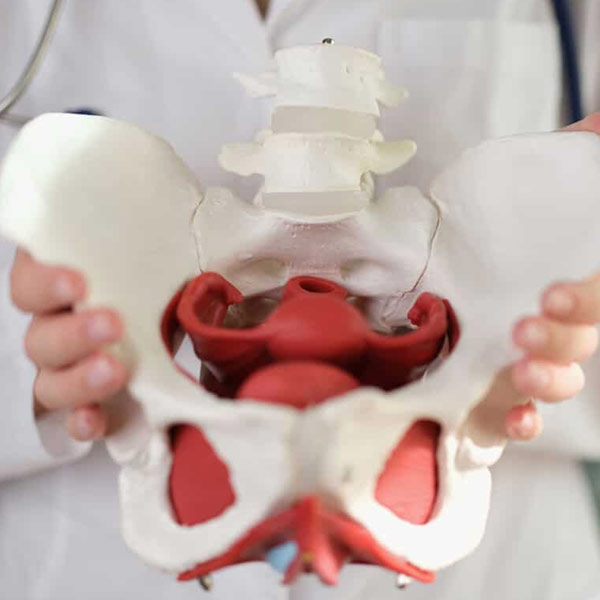
HIP CONDITIONS
Similar pain. Different treatment needs.
The right plan depends on the diagnosis, the stage of damage, bone health and your daily needs. A painful hip does not automatically require replacement.
01
Hip arthritis
Cartilage damage can cause pain and stiffness. Exercise, activity changes, walking support and suitable medication may help. Replacement may be discussed when joint damage and persistent symptoms substantially affect daily life.
02
Avascular necrosis (AVN)
Reduced blood supply can damage the head of the thigh bone. The stage matters: selected early cases may have options that preserve the joint, while collapse or advanced arthritis may lead to a replacement discussion.
03
Hip fractures
A fracture needs prompt assessment. Depending on its position, displacement, bone quality and your health, treatment may involve fixation with metalwork or partial or total replacement.
04
Pain after a replacement
Persistent or new symptoms can have several causes. Implant wear, loosening, infection, instability or a fracture may need investigation before deciding whether revision surgery is appropriate.
05
Impingement, labral injury & other hip problems
Impingement and a torn labrum are different from advanced arthritis. Treatment can include activity changes, physiotherapy and, in selected cases, a joint-preserving procedure. Discuss whether these options suit your findings and whether specialist referral is needed. A labral tear alone is not a reason to assume that you need a total hip replacement.
A PLAN THAT FITS YOUR CONDITION
Hip treatment and surgery options
Dr. Patel’s published clinical interests include hip replacement, revision joint replacement and complex trauma. Assessment comes before selecting a procedure. Your goals, test results and health guide the discussion.
WHEN APPROPRIATE
Non-surgical treatment
For some hip conditions, treatment starts with physiotherapy, changes to painful activities, walking aids and medication chosen for your health. An injection may be considered in selected cases.
These measures can help symptoms, but they do not reverse every cause of joint damage. Review progress with your doctor rather than continuing an ineffective plan indefinitely.
01
Total hip replacement
Damaged joint surfaces are replaced with an artificial ball-and-socket system. It may be considered for advanced joint damage with pain and disability. Implant choice and the surgical approach depend on individual findings.
02
Partial replacement or fracture fixation
Partial replacement usually replaces the femoral head while keeping the natural socket. Fixation holds a fracture with screws, a plate or a nail. These procedures serve different fracture patterns; they are not interchangeable choices.
03
Revision hip replacement
Revision involves addressing a problem with an existing implant. It can require additional investigation and more complex planning than a first replacement. Recovery expectations are discussed separately for each case.
04
Joint preservation
Selected hip conditions may allow treatment aimed at retaining the natural joint. Suitability depends on the condition and the amount of damage. Ask which procedures are appropriate, who will perform them and what alternatives exist.
What about minimally invasive or robotic surgery?
A technique’s name does not decide whether it is right for you. Ask about suitability, available equipment, the surgeon’s relevant experience and the expected benefits and risks for your case.
YOUR FIRST VISIT
From questions to a clear next step.
Tell the doctor what your hip stops you from doing. Practical details about walking, sleep, work and previous treatment help make the consultation useful.
01
Review your symptoms
Discuss when pain began, previous injuries, medical conditions, medicines and any earlier surgery.
02
Examine & investigate
Movement, walking and strength are assessed. X-rays or other tests are selected according to the suspected condition.
03
Compare your options
Discuss non-surgical care, any suitable procedure, its limits, costs and expected recovery.
04
Plan the next step
Agree on treatment, preparation or follow-up. Bring a family member if that helps you ask questions.
Bring to your appointment
Previous X-rays and reports, a medication list, earlier discharge summaries and implant details if you have had a hip replacement.
MEET YOUR SURGEON
Dr. Mitul Patel
MBBS, MS (Orthopaedics)
Trauma & Joint Replacement Surgeon
Dr. Mitul D. Patel has 14 years of orthopedic experience, with clinical interests in hip and knee replacement, revision joint surgery and complex fractures.
His international training includes joint replacement at the Lyon Knee Center, France, and trauma surgery at an AO Center in Germany. His profile also lists academic roles at VS Hospital, Ahmedabad, and as DNB faculty.
A USEFUL CONSULTATION SHOULD EXPLAIN
- What is causing your pain
- Which options fit your diagnosis
- What treatment can and cannot achieve
- How preparation and recovery will be planned
RECOVERY & FOLLOW-UP
Recovery is a process, with individual milestones.
Your procedure, general health, bone quality and starting mobility affect recovery. Revision surgery and fracture treatment may follow a different plan from a first hip replacement.
EARLY RECOVERY
Move with guidance
The team decides when it is safe to stand and walk, how much weight you can put through the leg and which walking aid to use. Pain control, wound care and clot prevention are part of the plan.
THE FOLLOWING WEEKS
Build daily confidence
Rehabilitation works on walking and daily tasks. Follow your movement precautions and exercise advice. Keep follow-up appointments so the plan can change with your progress.
LONGER TERM
Return to activities safely
Driving, work, floor sitting, travel and exercise need individual advice. Ask for clearance for the activities that matter to you rather than relying on a fixed recovery promise.
AN INFORMED DECISION
Discuss the benefits, limits and risks.
Hip surgery aims to reduce pain and improve function when it is appropriate for the condition. Results vary, and further treatment can sometimes be needed.
For replacement surgery, risks include infection, blood clots, dislocation, leg-length differences, fracture, nerve injury, persistent pain and implant wear or loosening. Your team should discuss your own risk factors and prevention plan.
Contact your treating team promptly for fever, wound discharge or new calf pain or swelling. Sudden chest pain or shortness of breath needs emergency medical care.
Hip surgery cost in Ahmedabad
A useful estimate starts with a diagnosis and a proposed procedure. Ask for a written breakdown covering:
- The procedure and implant, if required
- Hospital, room, surgeon and anesthesia charges
- Tests, medicines and rehabilitation
- Inclusions, exclusions and possible additional care
Insurance approval, waiting periods and out-of-pocket costs depend on your policy and the treating hospital. Confirm them before admission.
CONSULTATIONS IN AHMEDABAD
Choose Paldi or Science City.
Patients from Bopal, Thaltej, Satellite and other Ahmedabad areas can book at either listed location. Call to confirm the day, availability and where your appointment will take place.
LOCATION 01
Paldi consultation
Brahmin Mitra Mandle Society, 54 B,
opposite Jalaram Mandir, Paldi,
Ahmedabad, Gujarat 380006.
Consultation time: 8:30 AM–5:30 PM
LOCATION 02
Science City consultation
Boneplus Hospital, 102/103 First Floor,
City Square Complex, opposite Science City Gate,
Science City, Sola, Ahmedabad, Gujarat 380060.
Consultation time: 6:00 PM–8:00 PM
YOUR QUESTIONS
Hip surgery FAQs
Clear answers to help you prepare for a discussion with your doctor.
Does every case of hip pain need surgery?
No. The cause and severity guide treatment. Some problems respond to physiotherapy, activity changes or medication. A fracture or advanced joint damage may need a different approach. Assessment comes before deciding.
When is a hip replacement considered?
A replacement may be discussed when significant joint damage causes ongoing pain or disability and suitable non-surgical treatment no longer provides enough relief. Certain fractures may also need replacement. The decision includes your health and personal goals.
Can AVN be treated without replacing the hip?
Sometimes. Selected cases before the femoral head collapses may have joint-preserving options. Once there is collapse or advanced arthritis, replacement may be considered. Imaging and the stage of AVN help determine what is realistic.
What is the difference between total and partial replacement?
Total replacement replaces damaged surfaces on both sides of the joint. Partial replacement usually replaces the femoral head and retains the natural socket, often for selected fractures. Your diagnosis determines which procedure, if any, is suitable.
Does pain after an earlier replacement mean I need revision?
Not necessarily. Pain needs investigation before its cause is known. Assessment may consider the implant, bone, infection and other sources of symptoms. Revision is discussed when the findings support it.
How long will recovery take?
Recovery varies by procedure and health. You will receive advice about walking, weight-bearing, wound care, exercises and follow-up. Revision surgery and fracture care can have different timelines. Ask about your own milestones for work, driving and daily tasks.
Can I consult from Bopal, Thaltej or Satellite?
Yes. The listed consultation locations are Paldi and Science City. Patients living in Bopal, Thaltej, Satellite and elsewhere in Ahmedabad can book at either location. Call +91 75065 13559 to confirm the appointment details.
What should I bring if I have already had hip surgery?
Bring your discharge summary, earlier operation notes if available, implant information, imaging and recent test reports. Also bring a medication list and a record of when your current symptoms started.
TAKE THE NEXT STEP
Get a clear plan for your hip pain.
Book a consultation with Dr. Mitul Patel in Paldi or Science City, Ahmedabad.