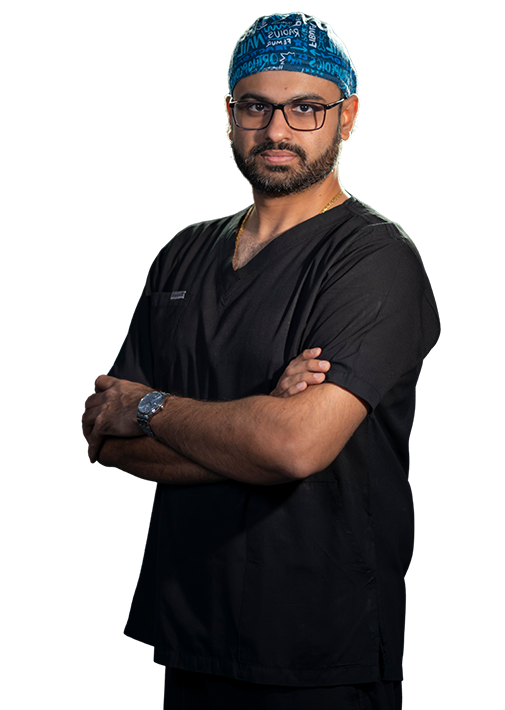

Advanced Arthroscopy in Ahmedabad
Advanced Arthroscopy Surgery in Ahmedabad - Minimally Invasive Joint Solutions
Choosing an experienced Arthroscopy Surgeon in Ahmedabad is essential for treating joint problems with minimal pain and faster recovery. Dr. Mitul Patel offers precision keyhole surgery for knee, shoulder, and hip conditions at two convenient locations – Paldi and Science City. With 14 years of advanced orthopedic training, including international fellowships in Joint Replacement from Lyon, France, and Trauma Surgery from Germany, He combines cutting-edge technology with patient-focused care to help you regain full joint function and mobility.
Whether you’re seeking an Arthroscopy Surgeon in Paldi, a specialist in Science City, or exploring arthroscopic solutions in Bopal, Thaltej, or Satellite, our team provides world-class minimally invasive orthopedic treatment using state-of-the-art surgical cameras and precision instruments.
Why Choose Our Arthroscopy Services
Expert Credentials & Experience
Dr. Mitul D. Patel is a highly qualified orthopedic surgeon with:
- M.B.B.S. and M.S. (Orthopedics) from recognized medical institutions
- 14+ years of specialized experience in arthroscopic procedures
- International fellowship training in Joint Replacement (Lyon Knee Center, France)
- Advanced trauma surgery certification from AO Center, Germany
- Current role: Head of Unit at VS Hospital, Ahmedabad
- DNB (Doctor of National Board) Faculty Member
- Expertise in knee, shoulder, hip, and complex joint reconstruction
Advanced Minimally Invasive Technology
- High-definition arthroscopic cameras for precise visualization
- Real-time surgical monitoring on advanced screens
- Specialized micro-instruments for delicate joint work
- State-of-the-art operating theatres
- Quick recovery with minimal tissue damage
Two Convenient Locations for Your Access
Paldi Clinic: Bone Plus Hospital, Paldi – serving patients from Paldi, Ambawadi, Vasna, Ellisbridge, and surrounding areas
Science City Clinic: Bone Plus Hospital, Science City Road – serving patients from Science City, Sola, Gota, Thaltej, Bopal, Satellite, Chandkheda, and western Ahmedabad
Understanding Arthroscopy - Advanced Keyhole Joint Surgery
What is Arthroscopy Surgery?
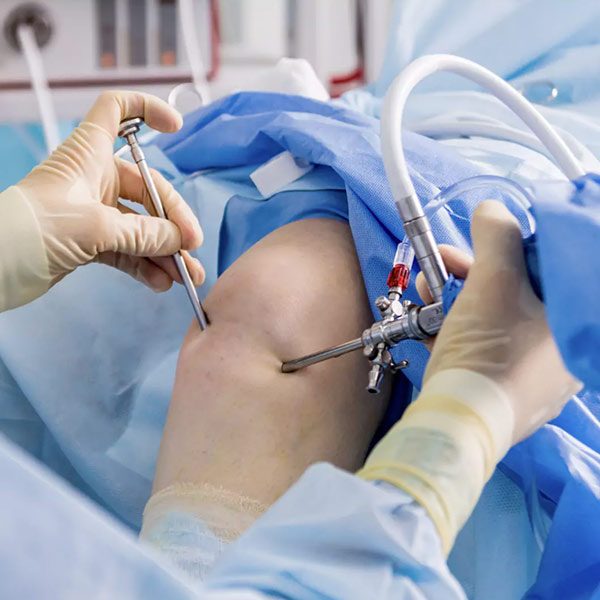
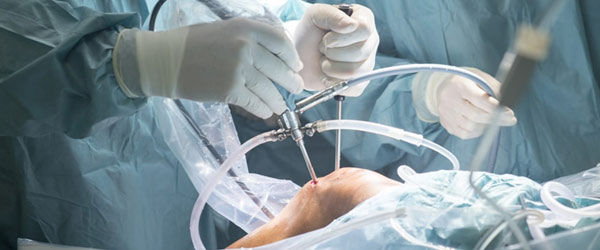
Arthroscopy is a minimally invasive surgical technique where a surgeon uses a tiny camera called an arthroscope (similar to a pencil in size) inserted through small incisions to visualize the inside of a joint. This advanced procedure allows simultaneous diagnosis and treatment of joint problems without making large, traumatic open incisions.
The arthroscope transmits high-resolution images to monitors, enabling the surgeon to accurately identify cartilage damage, ligament tears, meniscus injuries, and other internal joint pathology. Specialized instruments inserted through additional small incisions allow the surgeon to repair, reconstruct, or remove damaged tissue as needed.
Common Types of Arthroscopy We Perform
Knee Arthroscopy Knee arthroscopy is one of the most frequently performed procedures at our Ahmedabad clinic. The procedure addresses problems within the knee joint – the largest and most complex joint in your body. High-definition cameras allow us to examine the meniscus (cartilage cushion), anterior and posterior cruciate ligaments (ACL/PCL), medial and lateral collateral ligaments, articular cartilage, and joint synovium.
Common knee arthroscopy procedures include meniscus repair or trimming, ACL reconstruction, ligament repair, cartilage smoothing, loose body removal, and synovitis treatment. Most patients return home the same day and resume light activities within 1-2 weeks.
Shoulder Arthroscopy As an Arthroscopy Surgeon in Paldi and Science City specializing in shoulders, Dr. Mitul Patel performs advanced shoulder arthroscopy for rotator cuff tears, labral damage, shoulder instability, and impingement syndrome. Shoulder arthroscopy requires specialized positioning and techniques due to the joint’s complexity.
The shoulder’s ball-and-socket design makes it the most mobile joint in the body but also vulnerable to instability and overuse injuries. Arthroscopic repair preserves normal shoulder anatomy while restoring strength and range of motion. Athletes, overhead workers, and aging populations commonly benefit from shoulder arthroscopy.
Hip Arthroscopy While less common than knee and shoulder procedures, hip arthroscopy treats femoroacetabular impingement (FAI), labral tears, and loose bodies. Hip arthroscopy requires advanced expertise and is performed at our Science City center with specialized equipment.
Medical Conditions Treated with Arthroscopy
Knee Conditions
Meniscus Tears & Injuries The meniscus is a crescent-shaped cartilage cushion that sits between the femur and tibia. Tears occur from sudden twisting, sports injuries, or degenerative changes. Arthroscopy allows precise assessment and either repair (to preserve cartilage) or partial removal if repair isn’t possible. Recovery is typically faster than traditional open surgery, with most patients returning to sports within 6-8 weeks after repair.
Anterior Cruciate Ligament (ACL) Tears The ACL prevents forward sliding of the tibia. ACL tears are common in athletes from sudden deceleration, jumping, or cutting movements. Arthroscopic ACL reconstruction uses a graft (hamstring, patellar tendon, or allograft) to restore knee stability. This procedure is essential for athletes wanting to return to high-demand sports.
Cartilage Damage & Osteoarthritis Articular cartilage damage can occur from trauma, overuse, or degenerative arthritis. Arthroscopy allows cartilage assessment and selected treatments like cartilage smoothing, microfracture, or cartilage restoration procedures to reduce pain and restore function.
Knee Instability & Ligament Injuries Beyond ACL tears, arthroscopy treats collateral ligament injuries (MCL/LCL) and posterolateral corner injuries affecting knee stability.
Loose Bodies & Synovitis Small fragments of bone or cartilage can cause locking, catching, or sharp pain. Arthroscopy safely removes these. Inflamed joint lining (synovitis) is also treated arthroscopically.
Shoulder Conditions
Meniscus Tears & Injuries The meniscus is a crescent-shaped cartilage cushion that sits between the femur and tibia. Tears occur from sudden twisting, sports injuries, or degenerative changes. Arthroscopy allows precise assessment and either repair (to preserve cartilage) or partial removal if repair isn’t possible. Recovery is typically faster than traditional open surgery, with most patients returning to sports within 6-8 weeks after repair.
Anterior Cruciate Ligament (ACL) Tears The ACL prevents forward sliding of the tibia. ACL tears are common in athletes from sudden deceleration, jumping, or cutting movements. Arthroscopic ACL reconstruction uses a graft (hamstring, patellar tendon, or allograft) to restore knee stability. This procedure is essential for athletes wanting to return to high-demand sports.
Cartilage Damage & Osteoarthritis Articular cartilage damage can occur from trauma, overuse, or degenerative arthritis. Arthroscopy allows cartilage assessment and selected treatments like cartilage smoothing, microfracture, or cartilage restoration procedures to reduce pain and restore function.
Knee Instability & Ligament Injuries Beyond ACL tears, arthroscopy treats collateral ligament injuries (MCL/LCL) and posterolateral corner injuries affecting knee stability.
Loose Bodies & Synovitis Small fragments of bone or cartilage can cause locking, catching, or sharp pain. Arthroscopy safely removes these. Inflamed joint lining (synovitis) is also treated arthroscopically.
When Arthroscopy is Recommended - Signs You Need Treatment
Symptoms Suggesting Arthroscopy for Knee Problems
If you experience any of the following knee symptoms, arthroscopy evaluation may be beneficial:
- Sudden onset knee pain after injury or sports activity
- Knee locking, catching, or “giving way” sensation during movement
- Chronic swelling or fluid collection in the knee joint
- Pain that prevents normal daily activities like walking, climbing stairs, or squatting
- Instability sensation with the knee feeling unstable during simple movements
- Morning stiffness with limited range of motion
- Night pain disrupting sleep
- Weakness or inability to support body weight
- Clicking or popping sounds with motion
- Pain following previous knee injury or surgery
Symptoms Suggesting Arthroscopy for Shoulder Problems
Shoulder arthroscopy may be appropriate if you have:
- Persistent shoulder pain unrelieved by conservative treatment
- Sharp pain with overhead activities or reaching
- Shoulder stiffness limiting normal range of motion
- Repeated shoulder dislocations or instability episodes
- Weakness with arm lifting or throwing activities
- Night pain preventing sleep
- Clicking or popping with shoulder movement
- Functional limitations affecting work or sports
- Pain after falls or direct shoulder trauma
- Symptoms lasting more than 6 weeks despite conservative care
The Arthroscopy Procedure - Step-by-Step Explanation
Pre-Operative Evaluation Phase
Your arthroscopy journey begins with a comprehensive evaluation. During your consultation, Dr. Mitul Patel:
- Reviews your complete medical history and current medications
- Performs thorough physical examination including stability tests and range-of-motion assessment
- Orders X-rays and/or MRI imaging to visualize internal joint structures
- Discusses conservative treatment options first (rest, medication, physiotherapy)
- Explains the procedure, expected outcomes, risks, and recovery timeline
- Answers all questions and ensures informed consent
- Evaluates overall health and fitness for surgery
- Reviews anesthesia options with the anesthesiologist
- Provides pre-operative instructions regarding fasting, medications, and preparation
Pre-Surgery Planning & Preparation
Once you’re approved for arthroscopy:
- Laboratory blood tests confirm you’re fit for surgery
- EKG and chest X-ray confirm heart and lung function if needed
- Anesthesia consultation optimizes your anesthesia plan based on medical history
- Specific surgical plan is created for your condition
- Hospital procedures are explained
- NPO (Nothing by mouth) instructions are provided
- Timing and location details are confirmed
- Family members receive information about waiting room procedures and post-operative expectations
The Arthroscopic Procedure Itself
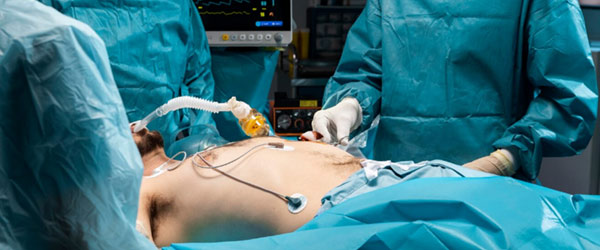
Positioning & Anesthesia You receive general anesthesia or regional anesthesia based on surgeon and anesthesiologist recommendations. The surgical area is sterilized thoroughly. Your joint is positioned optimally to allow maximum visualization and access for the surgeon.
Creating Access Portals The surgeon makes 2-3 small incisions (usually 3-5mm each, smaller than button holes) in strategic locations around the joint. These portals allow camera insertion and instrument passage while protecting nerves and blood vessels.
Camera Insertion & Visualization The arthroscope is inserted through the main portal, immediately showing high-resolution images of the joint interior on monitors. The surgeon systematically examines all joint structures, identifying damage and determining treatment.
Treatment of the Problem Based on findings, specialized instruments are inserted through other portals to:
- Remove debris or loose bodies
- Smooth rough cartilage
- Repair meniscus tears with sutures
- Repair ligaments with suture anchors
- Debride inflamed tissue
- Reconstruct damaged structures
Closure & Recovery Preparation Once treatment is complete, instruments are removed. Incisions are closed with absorbable sutures or skin adhesive (no stitch removal needed). Sterile dressing and ice compression are applied. You’re transferred to recovery with pain management and antibiotic prophylaxis.
Recovery & Rehabilitation Phase
- Pain and swelling management with prescribed medications
- Ice application and elevation to reduce swelling
- Gradual mobilization as tolerated
- Most patients return home same day; some stay overnight depending on procedure complexity
- Clear instructions provided for home care
- Emergency contact information and warning signs explained
- Rest from strenuous activities
- Continue ice application several times daily
- Elevate leg/arm to reduce swelling
- Begin light range-of-motion exercises as instructed
- Physical therapy starts to restore flexibility and prevent stiffness
- Sutures removed if non-absorbable (usually not needed)
- Follow-up appointment scheduled
- Physical therapy intensity increases gradually
- Strengthening exercises begin as pain allows
- Range-of-motion restoration continues
- Swelling management continues
- Progressive weight-bearing for knee procedures
- Progressive arm use for shoulder procedures
- Return to normal activities gradually as tolerated
- Formal physical therapy focuses on strength restoration
- Sport-specific or activity-specific training begins
- Flexibility and proprioception (balance) training continues
- Most patients return to normal work activities
- Light recreation activities resume with caution
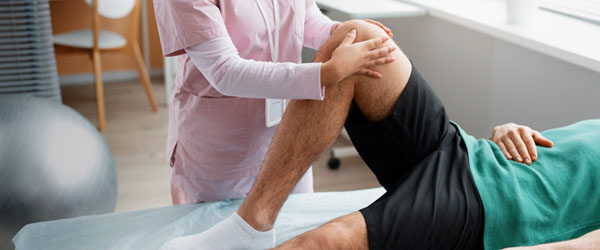
- Advanced strengthening and conditioning continue
- Sport-specific training ramps up for athletes
- Full range of motion typically achieved
- Return to competitive sports generally cleared by month 4-6 depending on procedure
- Long-term prevention exercises become maintenance routine

Safety, Risks & Potential Complications
Common, Minor Complications:
- Swelling and bruising (usually resolve within 2-4 weeks)
- Mild to moderate pain (well-controlled with medication)
- Temporary stiffness (improves with rehabilitation)
- Numbness around incision sites (usually temporary)
Less Common, More Serious Complications:
- Infection (occurs in less than 1% of cases; treated with antibiotics)
- Bleeding into the joint (may require aspiration)
- Blood clots (DVT/PE) – rare with modern prevention measures
- Damage to arteries, nerves, or tendons (less than 0.5% of cases)
- Compartment syndrome (requires urgent decompression)
- Reflex sympathetic dystrophy (complex regional pain)
- Persistent pain or dysfunction (rare with proper technique and rehabilitation)
- Anesthesia-related complications (discussed during anesthesia consultation)
Factors Reducing Complication Risk:
- Experienced surgeon with high-volume arthroscopy practice
- Advanced imaging and surgical technology
- Proper patient selection and pre-operative evaluation
- Meticulous surgical technique minimizing soft tissue damage
- Dedicated post-operative care and rehabilitation
- Clear communication and patient education
Arthroscopy in Specific Locations - Your Nearest Options
Arthroscopy Surgeon in Paldi, Ahmedabad
- Paldi and immediate vicinity residents
- Ambawadi, Vasna, Ellisbridge patients
- East Ahmedabad populations
- Direct public transportation access
Paldi Clinic Details: Bone Plus Hospital, 54B Brahmin Mitra Mandle Society, Opp Jalaram Temple, Paldi, Ahmedabad 380007 Phone: 75065 13559 Hours: 8:30 AM to 5:30 PM Services: Complete arthroscopy consultations and surgical evaluations
Arthroscopy Surgeon in Science City, Ahmedabad
The Science City clinic serves:
- Science City, Sola residents
- Gota, Thaltej, Bopal, South Bopal patients
- Satellite, Chandkheda areas
- SG Highway and western Ahmedabad zones
Science City Clinic Details: Bone Plus Hospital, 102/103 First Floor, City Square Complex, Opp Science City Gate, Science City Road, Sola, Ahmedabad 380060 Phone: 75065 13559 Hours: 6:00 PM to 8:00 PM (convenient for working professionals) Services: Full arthroscopy services with hospital facilities
Arthroscopy Surgeon in Bopal, Ahmedabad
South Bopal and Bopal area patients can access our Science City center, which serves:
- South Bopal and Bopal residents
- Nearby Prahlad Nagar
- Surrounding satellite areas Approximately 15-20 minutes from South Bopal via SG Highway
Arthroscopy Surgeon in Thaltej, Ahmedabad
Thaltej patients benefit from our Science City location:
- Direct proximity to Thaltej area
- Quick access via Thaltej bypass
- All arthroscopy services available
- Weekend appointments available by prior booking
Arthroscopy Surgeon in Satellite, Ahmedabad
Satellite residents can reach our Science City clinic:
- 10-15 minutes travel time from Satellite
- Convenient for Satellite, Vastrapur, Bodakdev areas
- Easy parking at clinic
- Same-day diagnostic evaluation and surgery counseling available
Advantages of Arthroscopy vs. Traditional Open Surgery
Arthroscopy provides numerous benefits compared to traditional open surgical approaches:
Factor | Arthroscopy (Keyhole) | Open Surgery |
Incision Size | 3-5mm (button-hole size) | 5-15cm (major cut) |
Tissue Trauma | Minimal damage | Significant muscle cutting |
Pain Level | Mild to moderate | Severe pain common |
Swelling | Minimal | Significant swelling |
Recovery Time | Days to weeks | Months |
Hospital Stay | Same-day or overnight | 2-3 days minimum |
Return to Work | 1-4 weeks | 6-12 weeks |
Return to Sports | 4-12 weeks | 12-24 weeks |
Scar Appearance | Barely visible | Noticeable long scars |
Infection Risk | Less than 1% | 2-3% |
Physical Therapy | Shorter duration | Extended duration |
Cost | Lower overall costs | Higher total costs |
Success Rate | 85-95% | 85-95% (but slower recovery) |
Cost & Insurance Information
Arthroscopy surgery costs vary based on:
- Specific procedure complexity
- Joint involved (knee typically less expensive than hip)
- Hospital facility and operating theatre charges
- Anesthesia fees
- Post-operative rehabilitation needs
- Any complications requiring extended care
Insurance Coverage: Most health insurance plans cover arthroscopy for medical conditions when conservative treatment has failed. Coverage typically includes:
- Diagnostic arthroscopy (if repair needed)
- Therapeutic arthroscopic procedures
- Hospital and operating theatre costs
- Anesthesia
- Post-operative care and medication
We assist with insurance pre-authorization and claims processing. Contact our office for specific cost estimates and insurance verification for your condition.
Frequently Asked Questions About Arthroscopy
Is arthroscopy a permanent solution to my problem?
Arthroscopy fixes the specific problem identified (meniscus tear, ligament damage, cartilage damage, etc.). However, future injuries can occur at any time, and degenerative conditions may progress. Proper rehabilitation, strength maintenance, and injury prevention are crucial for long-term success. Most patients achieve 5-10+ years of good function after quality arthroscopy.
How soon can I return to sports after arthroscopy?
Timeline depends on:
- Procedure type (simple debridement vs. reconstruction)
- Your sport’s demands
- Your rehabilitation progress
- Your surgeon’s clearance
Generally: Simple procedures (loose body removal) – 2-4 weeks. Meniscus repair – 6-8 weeks. ACL reconstruction – 4-6 months. Return-to-sport decisions should always be discussed with your surgeon.
Can arthroscopy prevent arthritis?
Arthroscopy can treat certain conditions contributing to arthritis (removing loose bodies, smoothing cartilage, repairing meniscus) and may slow arthritis progression. However, arthroscopy cannot reverse existing arthritis or prevent arthritis development from degenerative disc disease or other factors.
Will I have visible scars?
Incisions are only 3-5mm, creating button-hole-sized scars that are barely visible after healing. Most fade significantly within 3-6 months. Some incisions close with absorbable sutures (no stitch removal). Scar appearance is minimal compared to open surgery.
How long will I need pain medication after arthroscopy?
Pain is usually mild to moderate and decreases daily. Initial pain medication (3-5 days) combined with ice and elevation provides good control. Most patients switch to over-the-counter pain relievers by day 3-5. Severe pain beyond expected levels requires prompt communication with your surgeon.
What happens if the surgeon finds a different problem than expected during arthroscopy?
Sometimes arthroscopy reveals conditions not apparent on imaging. Your surgeon will discuss findings and options:
- Treat the actual problem found arthroscopically if suitable
- Stop and proceed with a different treatment plan
- Schedule a different procedure
- Discuss findings and recommendations for next steps
This is clarified during pre-operative consultation.
Will I need physical therapy after arthroscopy
Yes. Physical therapy is essential for optimal outcomes. It restores strength, flexibility, proprioception, and functional movement patterns. Patients who complete dedicated rehabilitation typically have better long-term results. Therapy duration ranges from 4-12 weeks depending on the procedure and your goals.
What if my condition is too severe for arthroscopy
Some conditions require open surgery or other treatments. During consultation, we honestly discuss whether arthroscopy can help or if alternative treatments are better. Advanced arthritis, for example, may require joint replacement instead of arthroscopy.
What anesthesia will I receive?
Most arthroscopy procedures use general anesthesia or regional anesthesia (local block). Your anesthesia type is discussed during consultation based on your medical history, the procedure, and your preferences. Anesthesiologists thoroughly evaluate you to ensure safety.
Can I go home the same day?
Most arthroscopy procedures allow same-day discharge. You’ll spend 2-4 hours in recovery to ensure proper anesthesia recovery and pain control. You must arrange reliable transportation as you cannot drive due to anesthesia. Some complex procedures may require overnight observation.
Can I get a second opinion before arthroscopy?
Absolutely. We welcome and respect second opinions. Bring your imaging, previous surgical reports, and medical records. A second opinion from another experienced arthroscopy surgeon may confirm the diagnosis and recommended treatment, providing confidence in your decision.
Do I need MRI before arthroscopy?
Not always. Many surgeons schedule arthroscopy based on clinical examination when diagnosis is clear. MRI is helpful when:
- Diagnosis is uncertain
- Measuring tear severity
- Planning reconstruction (ACL)
- Suspected cartilage damage
Your surgeon advises imaging needs during consultation.
Why Choose Dr. Mitul Patel for Your Arthroscopy Surgery
Surgical Excellence & Expertise
Dr. Mitul Patel combines:
- 14+ years of specialized orthopedic experience
- Advanced fellowship training from internationally renowned centers (France, Germany)
- Head of Unit position at VS Hospital
- DNB faculty status indicating peer recognition
- High-volume arthroscopy practice (100+ procedures annually)
- Continuing education and latest technique adoption
- Peer consultations for complex cases
Patient-Centered Approach
- Thorough consultation with complete explanation of condition and options
- Conservative treatment tried first when medically appropriate
- Honest discussion of realistic outcomes and recovery timelines
- Clear communication about risks and alternatives
- Personalized surgical planning for your specific condition
- Dedicated post-operative care ensuring proper rehabilitation
Advanced Technology & Facilities
- High-definition arthroscopic equipment
- Advanced imaging capabilities
- State-of-the-art operating theatres
- Modern recovery facilities
- Post-operative pain management protocols
- Easy access at two convenient locations
Dedicated Rehabilitation Support
- Clear post-operative instructions and activity guidelines
- Coordination with experienced physical therapists
- Follow-up evaluation at key milestones
- Return-to-activity clearance based on progress
- Long-term follow-up ensuring sustained results
Schedule Your Arthroscopy Consultation
Don't let joint pain limit your activities and lifestyle. Whether you need an Arthroscopy Surgeon in Paldi, Arthroscopy Surgeon in Science City, or specialized arthroscopic care in Bopal, Thaltej, Satellite, or anywhere in Ahmedabad, Dr. Mitul Patel offers expert evaluation and world-class minimally invasive treatment.
(8:30 AM to 5:30 PM)
(6:00 PM to 8:00 PM)
Book An Appointment
Additional Resources & Information
About Minimally Invasive Surgery: Modern arthroscopic techniques represent a major advancement in orthopedic surgery. Over 4 million knee arthroscopies are performed annually worldwide, with consistently high success rates and patient satisfaction.
Finding Quality Orthopedic Care: When selecting an arthroscopy surgeon, consider:
- Surgeon experience and credentials
- Hospital/facility quality and accreditation
- Technology and equipment available
- Hospital success rates for your specific procedure
- Rehabilitation support and resources
- Surgeon availability for follow-up care
Long-Term Joint Health: After arthroscopy treatment, maintain joint health through:
- Regular strengthening exercises
- Proper warm-up before activity
- Maintaining healthy body weight
- Avoiding high-impact activities when appropriate
- Protective equipment for sports
- Early treatment of new problems