

Physiotherapy & Rehabilitation Unit
Physiotherapy & Rehabilitation Unit
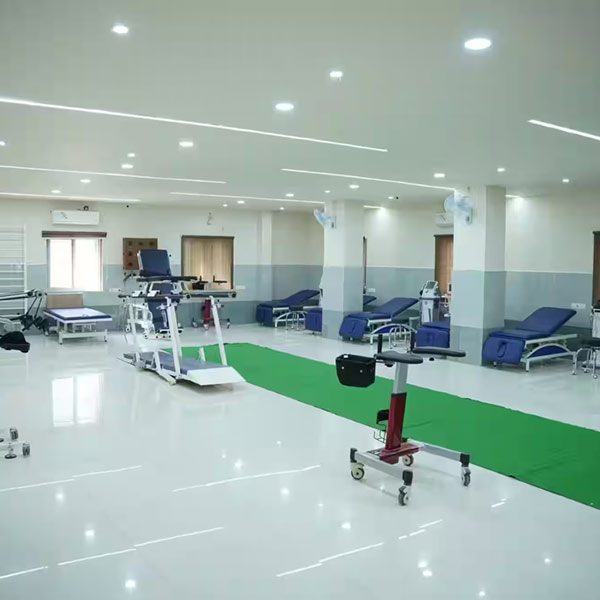
Successful orthopedic treatment is not only about diagnosis or surgery. Recovery depends heavily on the right rehabilitation plan. At BonePlus Orthopedic Hospital, Ahmedabad, our Physiotherapy & Rehabilitation Unit supports patients before and after treatment for joint replacement, arthroscopy, sports injuries, trauma fractures, spine conditions, and chronic joint pain. Our physiotherapy team focuses on pain reduction, restoring movement, improving strength and balance, and helping patients return to daily activities safely.
Whether your goal is walking without pain, climbing stairs, returning to work, or getting back to sports, rehabilitation is planned step-by-step based on your condition and recovery progress.
Why Physiotherapy Matters in Orthopedics
Physiotherapy helps:
Reduce pain, swelling, and stiffness
Improve joint mobility and flexibility
Restore muscle strength and endurance
Improve balance and gait (walking pattern)
Support faster and safer functional recovery
Reduce risk of re-injury and long-term complications
Conditions Supported in Our Rehab Unit
Post-surgery Rehabilitation
- Knee Replacement / Hip Replacement / Shoulder Replacement rehab
- Arthroscopy rehabilitation (knee and shoulder)
- Post-fracture fixation recovery and movement training
- Selected spine surgery rehabilitation
Injury and pain rehabilitation
- Sports injuries (ligament, tendon, muscle strains)
- pain rehabilitation
- Knee pain, shoulder pain, and arthritis-related stiffness
- Post-immobilization stiffness after cast or brace
Physiotherapy & Rehab Program Details
Assessment and Goal Setting
- Pain assessment and movement evaluation
- Strength, flexibility, balance, and posture checks
- Goal planning: walking, stairs, daily activities, sports return, or work fitness
Personalized Therapy Plan
Your program may include:
- Range-of-motion exercises
- Strength training and stability work
- Balance and proprioception training
- Gait training and posture correction
- Swelling and pain management techniques
- Home exercise plan for continuity
Progress Tracking and Modifications
- Regular re-assessment of range, strength, and function
- Therapy progression based on healing stage and tolerance
- Safety-focused activity guidance
Return-to-Activity Guidance
- Safe return to walking, work, driving, or sports
- Injury-prevention training and long-term joint care tips
What Patients Can Expect
Structured sessions guided by trained physiotherapists
Home program support for faster recovery
Clear milestones for improvement and mobility goals
Guidance for do’s and don’ts during healing
FAQs
Is physiotherapy required after joint replacement surgery?
Yes. Physiotherapy is essential to regain mobility, strength, and confidence. It also supports long-term joint function.
When should physiotherapy start after surgery?
It usually starts early as advised by the surgeon and physiotherapy team, depending on procedure type and patient condition.
Can physiotherapy help avoid surgery?
In many cases, yes. Physiotherapy can reduce pain and improve function in arthritis, back pain, and sports injuries. A doctor evaluation decides when surgery is required.
Can elderly patients benefit from physiotherapy?
Absolutely. Physiotherapy improves balance, walking confidence, and independence, especially after joint replacement and fractures.
How many sessions will I need?
It depends on diagnosis, severity, and goals. Some recover quickly, while complex injuries and post-surgery rehab need longer structured therapy.
Will I get exercises to do at home?
Yes. Home exercises are a key part of recovery and help maintain progress between sessions.
Is physiotherapy painful?
Therapy should be tolerable and guided safely. Mild discomfort may occur during mobility improvement, but pain is managed and exercises are progressed gradually.
Why choose BonePlus for physiotherapy and rehab?
Because rehabilitation works best when it is aligned with orthopedic diagnosis and surgical planning, with clear milestones and follow-up support.