
ICU
ICU
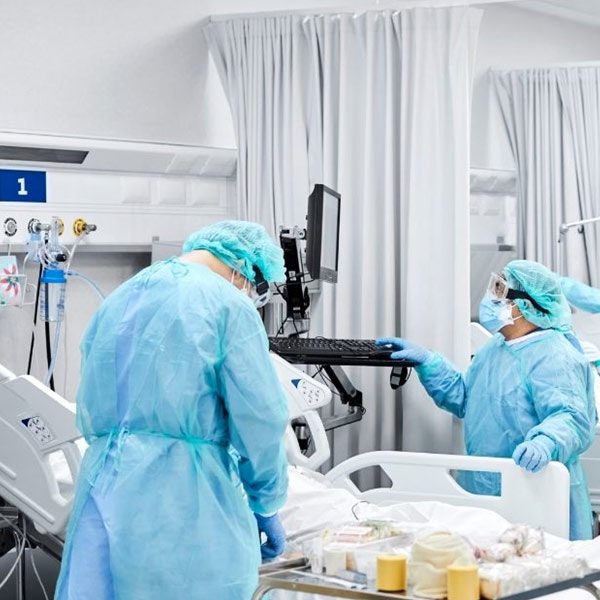
Some orthopedic patients need close monitoring after major surgery or severe trauma, especially if there are medical conditions like diabetes, heart issues, breathing problems, or high-risk injuries. At BonePlus Orthopedic Hospital, Ahmedabad, our ICU (Intensive Care Unit) is designed to provide continuous monitoring and advanced supportive care when required. The ICU team works in coordination with orthopedic surgeons, anesthesia, and nursing staff to support safe recovery after complex procedures such as joint replacement, trauma and fracture surgeries, and selected spine surgeries.
The focus is on patient safety, timely intervention, pain control support, and stable recovery during the critical post-operative phase.
When ICU Care May Be Required
ICU admission is usually recommended for selected cases, including:
Major trauma or multiple fractures after accidents
Elderly patients with medical comorbidities
High-risk patients needing close monitoring after surgery
Post-operative observation for complex joint replacement or revision surgeries
Respiratory, cardiac, or blood pressure instability after surgery
Severe infections or complications requiring intensive monitoring
(ICU requirement is decided by the treating doctor based on safety.)
ICU Support and Monitoring
24/7 Monitoring
- Heart rate, blood pressure, oxygen levels, temperature
- Pain and sedation monitoring (if needed)
- Fluid balance and urine output monitoring
Critical Care Support
- Oxygen and breathing support
- Emergency response readiness
- Medication support and infection monitoring
- Post-operative complication surveillance
Coordination with Orthopedic Care
- Regular orthopedic review for surgical site and limb status
- Early mobilization planning when stable
- Rehabilitation planning in coordination with physiotherapy
ICU Process Details
Admission and Stabilization
Patient vitals are stabilized, monitoring is started, and a care plan is made based on surgery/trauma severity.
Continuous Observation and Treatment
The ICU team monitors patient condition continuously and provides required support for breathing, circulation, pain control, and infection prevention.
Recovery and Step-Down Transfer
Once stable, patients are shifted from ICU to the ward for continued care and physiotherapy planning.
Discharge Planning and Follow-Up
The team provides instructions for medicines, wound care, mobility precautions, and follow-up schedule.
Why ICU Matters in Orthopedic Care
Improves safety for high-risk surgical patients
Supports stable recovery after major trauma
Allows early detection and management of complications
Helps elderly and medically complex patients recover safely
FAQs
Do all orthopedic surgery patients need ICU?
No. ICU is needed only for selected high-risk cases. Most routine surgeries recover in standard wards.
How long will a patient stay in ICU?
ICU duration depends on patient condition, surgery type, and recovery stability. Your doctor will guide based on progress.
Can ICU help prevent post-surgery complications?
ICU monitoring supports early detection of complications and timely intervention, improving safety in high-risk cases.
Will family be able to meet the patient in ICU?
Visiting depends on hospital policy and patient condition. The team will guide the family on visiting schedule and updates.
What type of monitoring is done in ICU?
Continuous monitoring of vitals such as blood pressure, heart rate, oxygen levels, and post-operative status is done, along with necessary supportive care.
Is ICU care available for trauma and accident cases?
Yes. ICU support may be used for severe trauma cases requiring close monitoring and stabilization.