

Ambulance
Ambulance
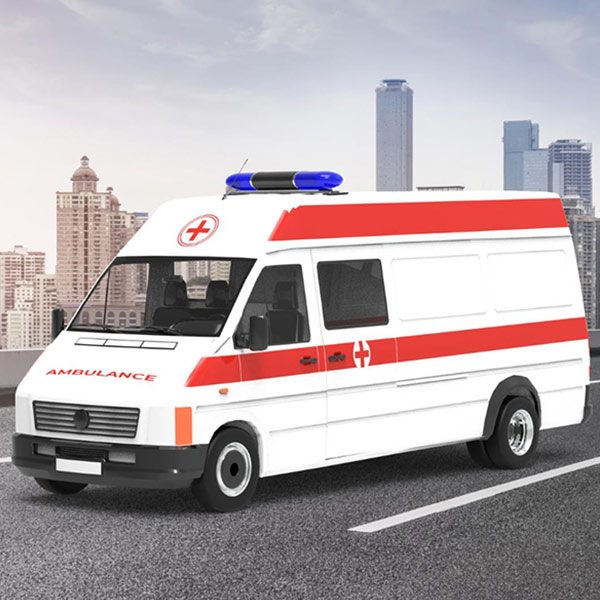
In accidents and orthopedic emergencies, safe and fast transport to the hospital can make a big difference. BonePlus Orthopedic Hospital, Ahmedabad supports patients with ambulance service for emergency situations such as fractures, dislocations, major falls, and road traffic accidents. Our ambulance support helps patients reach the hospital safely with basic stabilization and quick transfer for imaging, orthopedic evaluation, and emergency care.
The goal is to reduce delay, protect injured limbs, and ensure timely treatment for better recovery outcomes.
When Ambulance Support is Recommended
You should consider ambulance transport if there is:
Suspected fracture with severe pain, swelling, or deformity
Inability to walk or bear weight after injury
Major fall, road accident, or workplace trauma
Open wound with suspected fracture (urgent)
Severe back or neck pain after accident
Numbness, tingling, or weakness after injury (urgent evaluation)
How Ambulance Helps in Orthopedic Emergencies
Safe Patient Movement
Moving an injured patient incorrectly can worsen fractures, dislocations, or spine injuries. Ambulance support helps transfer patients with proper positioning and limb protection.
Faster Access to Emergency Care
Ambulance transport can reduce delays and bring the patient directly for:
- Emergency evaluation
- X-ray / CT / MRI as required
- Orthopedic stabilization and treatment planning
Better Support for High-Risk Patients
Elderly patients, trauma cases, or patients with severe pain benefit from monitored transport and quicker hospital arrival.
Ambulance Process Details
Call and Basic Details
Share the patient location, injury type, and contact number. Mention if there is bleeding, unconsciousness, or suspected spine injury.
Safe Pickup and Transfer
The team ensures safe movement with basic immobilization support for suspected fractures or dislocations.
Hospital Handover
On arrival, the patient is shifted to emergency care for diagnosis, imaging, pain management, and orthopedic consultation.
Treatment and Follow-up Plan
After evaluation, treatment may include casting/splinting, reduction of dislocation (selected cases), surgery planning for complex fractures (selected cases), and rehabilitation support.
FAQs
When should I call an ambulance for an orthopedic injury?
Call an ambulance if pain is severe, there is deformity, the patient cannot walk, there is an accident injury, or spine injury is suspected.
Should I move the patient myself after a fracture?
Avoid unnecessary movement. Incorrect handling can worsen injury. Ambulance support helps move the patient safely.
What should I do while waiting for the ambulance?
Keep the injured part still, avoid weight-bearing, apply ice if possible, and do not attempt to “set” a bone.
Can ambulance help in suspected hip fracture in elderly?
Yes. Elderly falls with hip pain should be treated seriously. Ambulance transport helps safe transfer and early evaluation.
Can ambulance be used for non-emergency patient transfer?
Depending on availability and hospital policy, ambulance may also support safe transfer for patients who cannot travel comfortably.
What happens after reaching BonePlus Hospital?
The emergency team evaluates the patient, performs required imaging, provides pain control, and the orthopedic team plans further treatment.